You’ve seen the photos—divers gliding over vibrant coral reefs, surrounded by tropical fish in crystal-clear water. If you’ve ever wondered how to learn to scuba dive, you’re not alone.
Scuba diving for beginners may seem intimidating at first. But it is a straightforward process when you follow the right steps and train with a certified instructor. With the proper guidance, almost anyone can learn to dive safely and confidently.
Completing your first certification is usually the Open Water Diver course. This makes you qualified to dive worldwide within your training limits. From coral reefs to world-famous wrecks, scuba diving opens the door to experiences most people only ever see in photos.
In this guide, you’ll learn how to start scuba diving. It covers the requirements and the best beginner courses. It also explains how to choose the right dive center to get certified.
1. Scuba Diving Requirements: Are You Fit to Start?
Before you learn to scuba dive, it’s important to make sure you meet the basic physical requirements. Beginner scuba diving is accessible. However, you still require a reasonable fitness level and water comfort.
Can You Scuba Dive If You Can’t Swim?
One of the most common questions is whether you need to swim to scuba dive. The answer is yes, at least at a basic level.
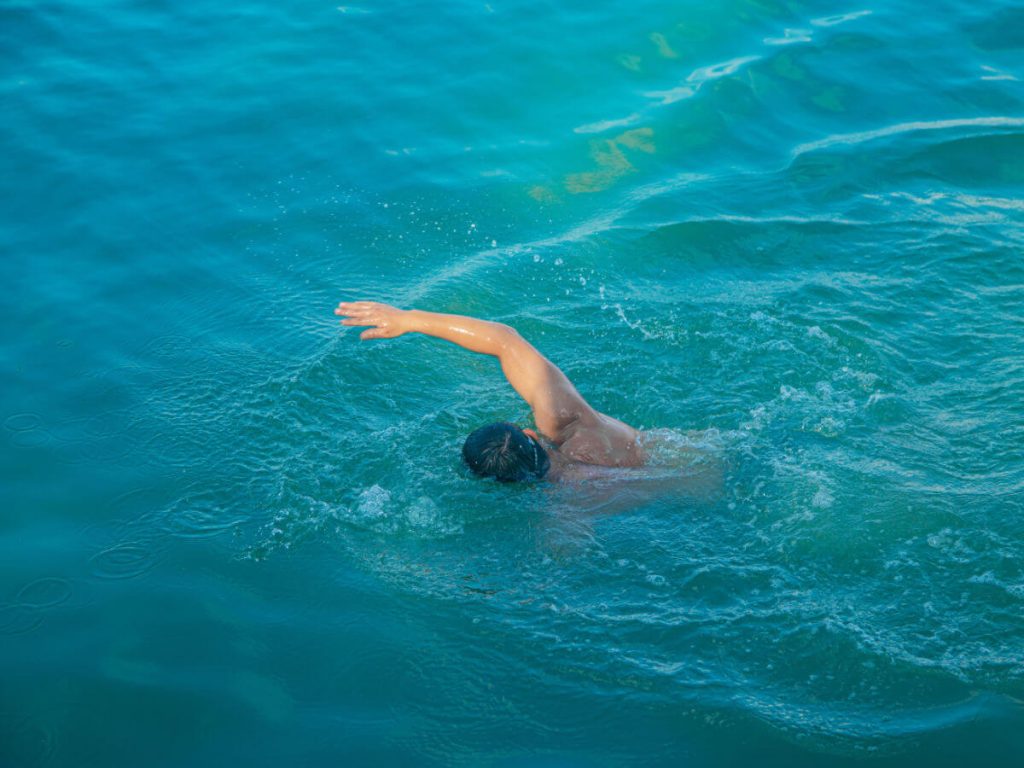
You don’t need to be an expert swimmer, but most entry-level certifications require a simple swim test. For example, the SDI Open Water course includes:
- A 200-metre swim (or 300 meters using mask, fins, and snorkel)
- A 10-minute float or tread water (not timed)
These are not performance tests. The aim is to show you can stay calm and handle yourself safely in the water if needed.
If you’re not confident swimming, it’s worth improving your skills first. Being relaxed in the water will make learning to scuba dive significantly easier and far more enjoyable.
Scuba Diving Medical Requirements
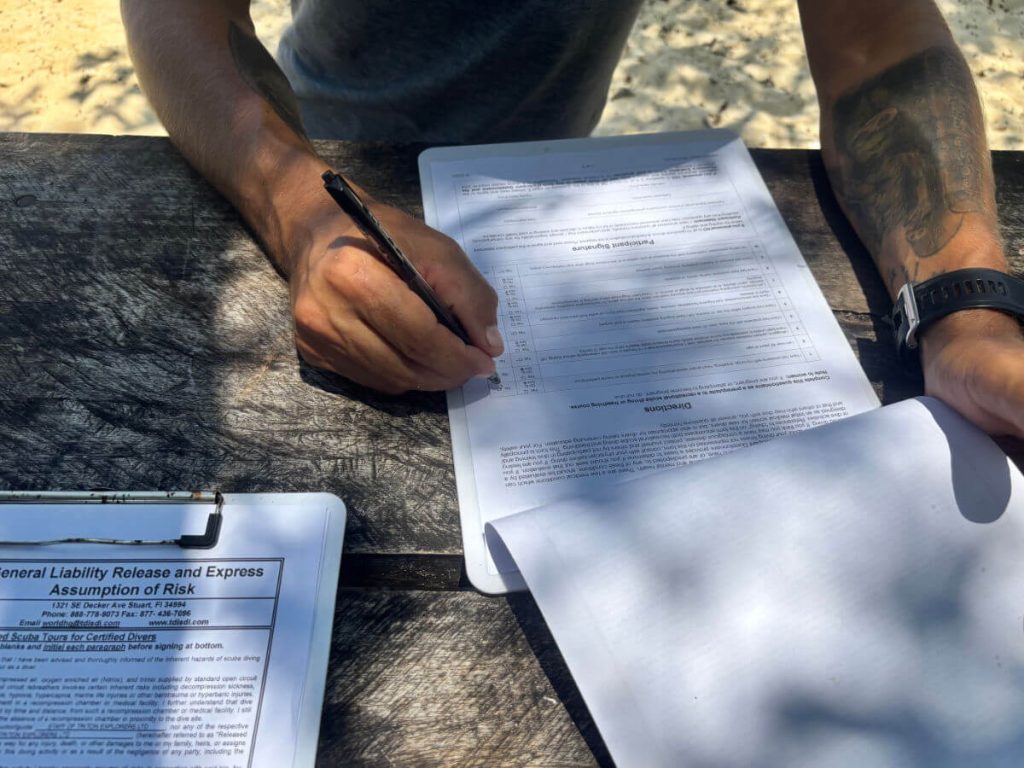
Another key step before starting a scuba diving course is completing a medical questionnaire.
This form asks a series of yes/no questions about your health.
- If you answer “no” to all questions, you can usually start your course immediately.
- If you answer “yes” to any, you’ll need approval from a doctor before diving.
This often catches beginners off guard. Check the medical form in advance. This is especially important if you’re traveling. Getting cleared by a doctor at the last minute can be time-consuming and expensive, particularly in remote destinations.
2. Choose the Right Scuba Diving Course
If you’ve started researching how to learn to scuba dive, you’ve probably come across the Open Water Diver course. It is the most popular entry-level scuba certification worldwide.
However, what many beginners don’t realize is that there are actually several scuba diving courses for beginners, each designed for different levels of commitment, time, and experience.
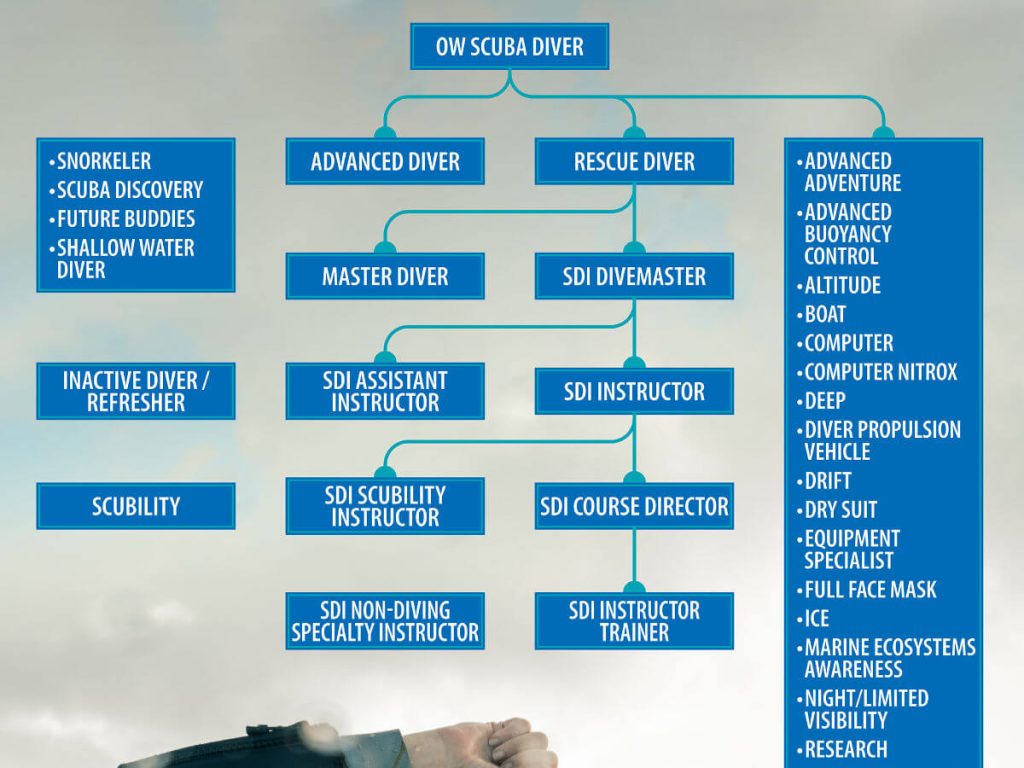
The easiest way to understand how scuba diving training works is to think of it as a simple progression—from introductory experiences to full certification.
Scuba Discovery Experience
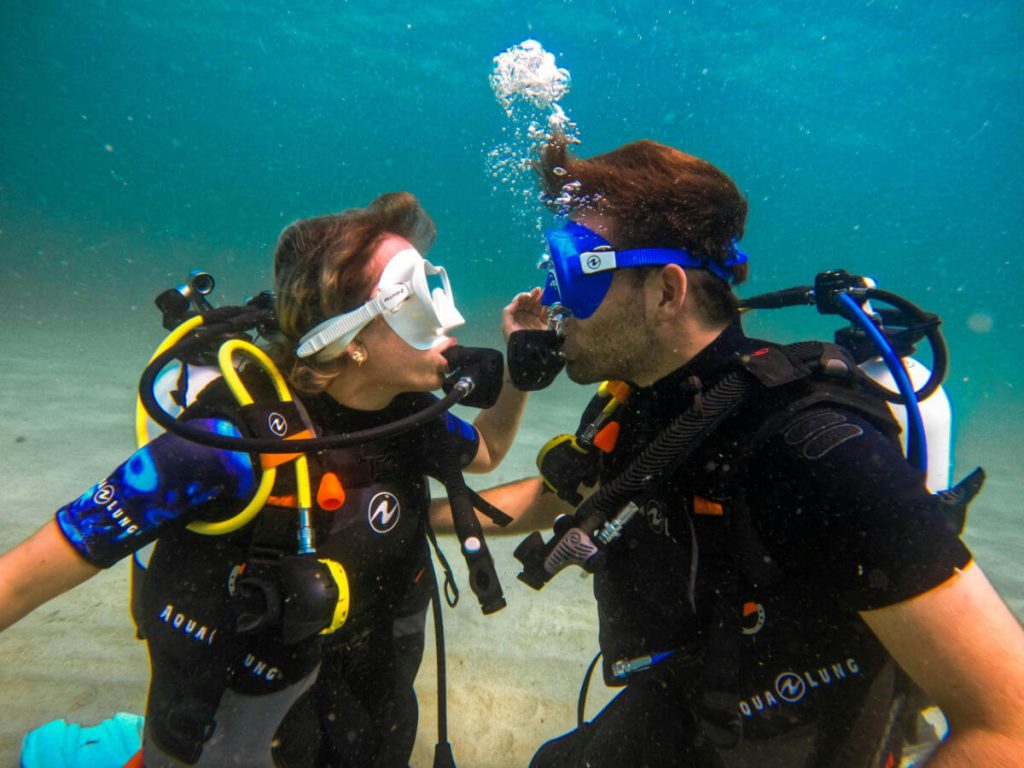
The Scuba Discovery Experience (SDI) or Discover Scuba Diving (PADI) program is the easiest way to try scuba diving for the first time.
It’s not a certification course, but a guided experience where you:
- Learn a few basic scuba skills and safety principles
- Get introduced to scuba equipment
- Complete a short dive in a pool or open water
A Scuba Discovery experience usually takes half a day to a full day to complete.
Afterwards, you can continue doing additional guided dives with a professional (within the same dive center), but you will always remain under supervision and are limited to a maximum depth of 9 meters.
For younger participants, many dive centers also offer Future Buddies experiences, designed for children aged 8+, with a shallow depth limit of around 2 meters in confined water.
Open Water Diver Course
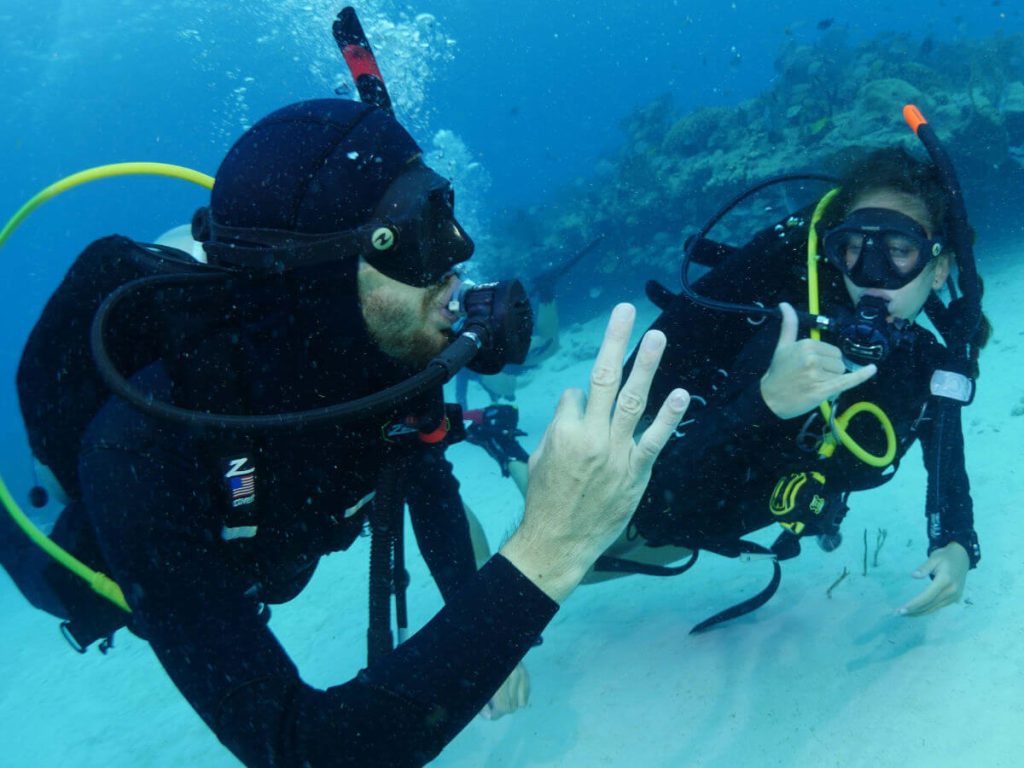
The Open Water Diver course is the leading full certification for newcomers. It is a standard starting point for anyone serious about scuba.
Once certified, you will be qualified to:
- Dive independently with a buddy
- Reach depths of up to 18 meters
- Dive at certified locations anywhere in the world
This is the certification this where most scuba divers usually start.
Which Scuba Diving Course Should You Choose?
When taking your first steps into scuba diving, it’s worth considering your options carefully. The Scuba Discovery Experience is ideal if you’re short on time or not quite ready to commit to a full certification. It lets you experience scuba diving in a safe, guided way without the pressure of a full course, while still giving you a real taste of what it’s like underwater.
On the other hand, the Open Water Diver course is best suited for those who are already confident they want to become certified divers and are ready to dive straight into the full training experience.
If you’re unsure which path to take, it’s helpful to know that both the DSD and Scuba Diver program can often count towards your Open Water Diver certification if completed within the same training system and time-frame. This means you can start with a try-dive experience and then continue on to full certification once you’re ready.
If you’re still unsure which course is right for you, it’s a good idea to talk it through with a dive center before booking—they can help match the right option to your goals and experience level. If you don’t already have a center in mind, get in touch with us at Triton Explorers and we’ll help you choose the right course and get you booked in for your first underwater experience.
3. Choose the Right Location to Learn Scuba Diving
By now you’ve probably figured out which scuba diving course suits you best—but where should you actually learn to dive?
Before jumping online and booking the first destination that looks appealing, it’s worth considering a few key factors that can have a big impact on your overall experience.
Diving Environment
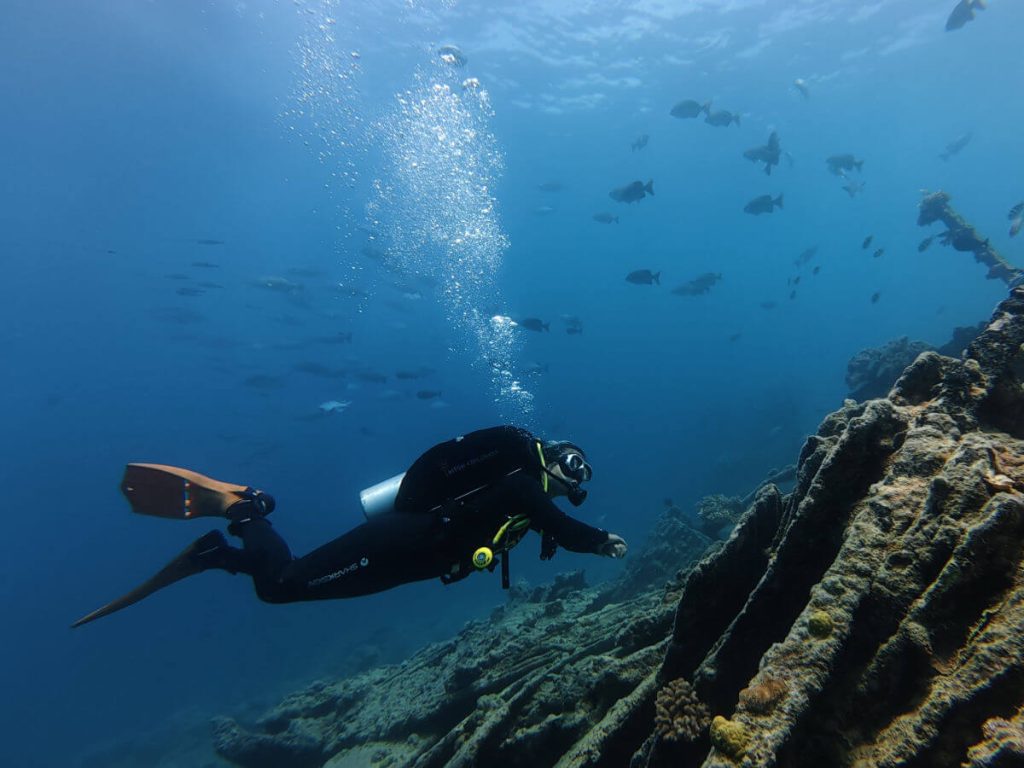
One of the biggest differences between dive locations is the environment itself. You can learn to scuba dive in almost any country and in many different types of water systems, which means conditions can vary significantly.
If you’re diving far north or south of the equator, you can expect cooler water temperatures and reduced visibility. While beginners can absolutely learn in these conditions, they can be more challenging and require a bit more comfort in the water. On the positive side, this can help you develop stronger diving skills from the start.
Closer to the equator, water (and air) temperatures are generally warmer and more comfortable, and visibility is often much better. These regions also tend to have more dive centers, as warmer conditions are usually more appealing for both beginners and experienced divers.
It’s also important to consider the type of water you’ll be diving in. Some locations are open ocean environments with reefs and marine life, while others are more sheltered systems like lakes, quarries, or caverns. Each offers a different learning experience, so it’s worth thinking about what suits you best.
Diving Attractions
Another factor that often influences where people choose to learn scuba diving is the underwater attractions.
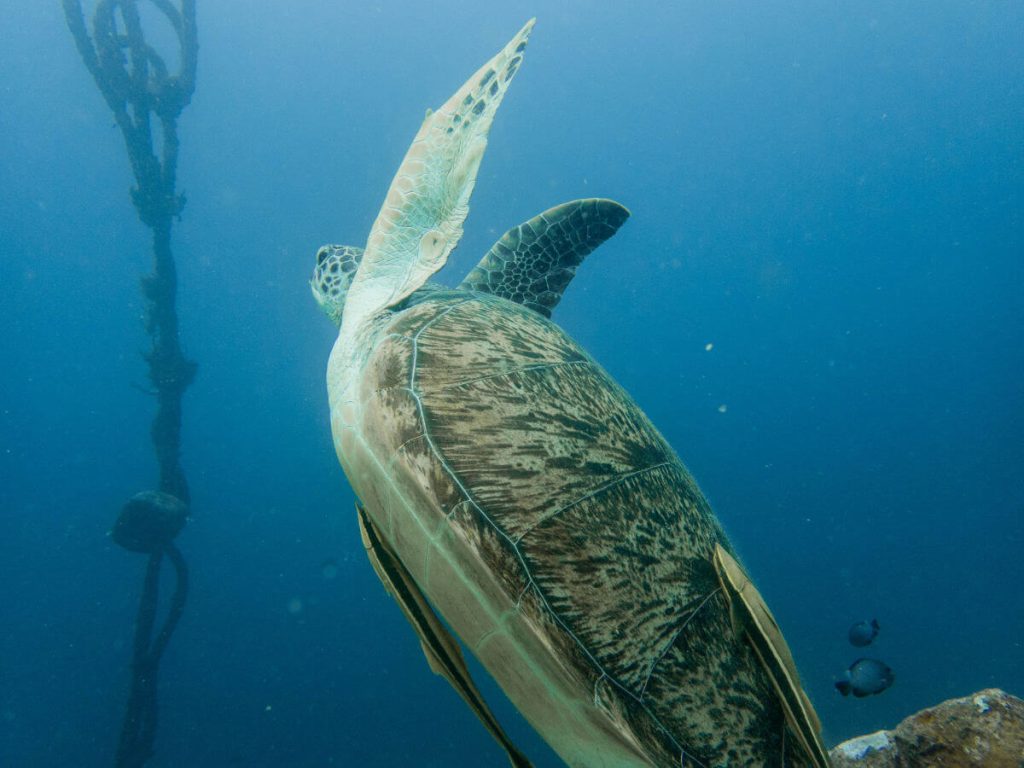
Many beginners are drawn to the idea of seeing turtles, sharks, rays, or even whales, while others are more interested in coral reefs, shipwrecks, or unique underwater landscapes.
These are all great motivations—but it’s worth keeping perspective. When you’re learning to dive, your focus will mainly be on building skills and confidence, which means you may not spend as much time observing marine life as you expect. In some cases, certain dive sites with more impressive attractions may also be off-limits until you reach a higher certification level.
That said, if you’re planning to stay in an area longer or continue your dive education, choosing a location based on marine life or dive sites can absolutely be worthwhile.
Diving Cost
Cost is another major factor when choosing where to learn scuba diving.
In general, destinations in Southeast Asia and parts of South America tend to be more budget-friendly. This is largely due to lower operating costs such as wages, rent, and fuel. On the other hand, diving in regions like Europe, North America, or Australia is typically more expensive for the same reasons.
If you live in a higher-cost area, it may be worth considering traveling abroad to complete your certification. However, you’ll need to factor in additional expenses such as flights and accommodation.
Alternatively, if diving locally is affordable, you might prefer to get certified close to home and then travel later for guided dives. This can also give you more flexibility with your schedule and allow you to complete your training at a more relaxed pace.
Cost for an Open Water Course generally varies between 250 USD – 1000 USD in private resorts.
4. Choose the Right Dive Center
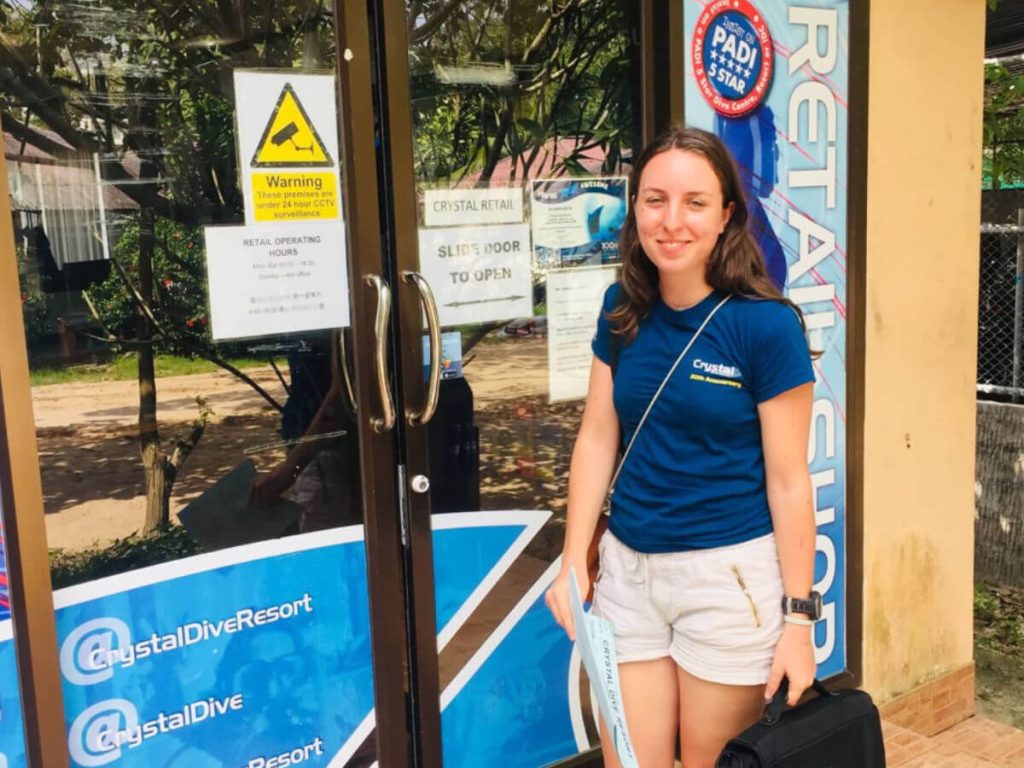
Aside from choosing where to learn scuba diving, one of the most important decisions you’ll make is selecting a reputable dive center or dive operation. In some cases, finding the perfect dive center can even influence your destination—because a great instructor and well-run course are worth traveling for.
So how do you choose the right one?
Cost
Price will always be a factor when comparing dive centers, but it shouldn’t be the only one.
It’s important to remember that the cheapest course is not always the best option. Extremely low prices can sometimes mean rushed training, poorly maintained equipment, or staff being underpaid—none of which you want when learning a skill like scuba diving.
That said, a higher price doesn’t automatically mean better quality either. Many excellent dive centers are fairly priced, while some expensive ones simply include extra comforts rather than better training.
The best way to judge value is through recommendations and reviews. Ask other divers, check social media, or look for centers that are consistently recommended by experienced divers.
Also make sure you understand what’s included in the course price. A standard scuba diving course usually covers:
- Training days
- Certification fees
- Learning materials (manual or e-learning)
- Equipment and boat fees (in most cases)
However, not all dive centers include everything. Some may charge extras separately, which can come as a surprise later. It’s also worth checking their price and policy on extra training days, in case you need a little more time to complete your course.
Course Structure
Another key factor is how the dive center runs its courses.
Useful questions to ask include:
- Will I have the same instructor throughout the course?
- Can I choose or request a specific instructor?
- What is the maximum class size?
Smaller class sizes are generally better for beginners. The ideal ratio is around 4:1, giving you more personal attention, more practice time, and a more relaxed learning pace.
Larger classes (up to 8:1 in many agencies) are more common in budget operations, but they can mean less one-on-one time and more waiting around between exercises.
A well-structured course should feel supportive, unhurried, and focused on building your confidence underwater.
An open water course should take 3-4 days, any shorter than that and you will not be getting good value for your money.
If you’re unsure how to identify a reputable scuba diving operator, it’s worth reading our guide before you book.
Agency
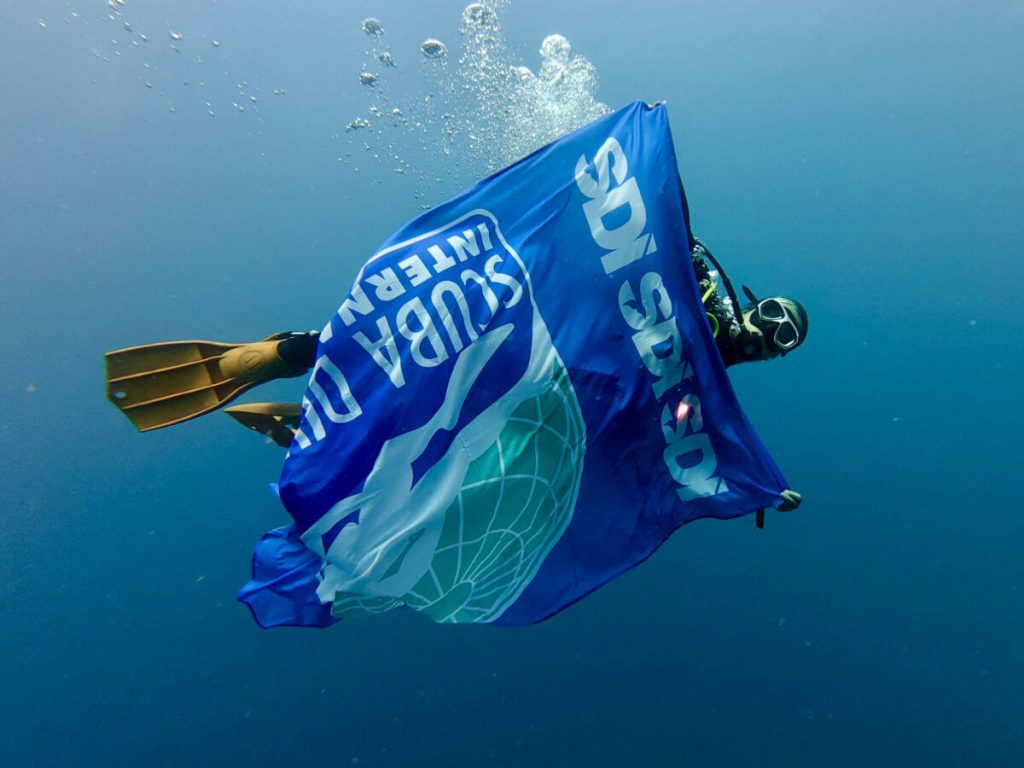
Unbeknownst to many beginners, there are actually several different scuba diving training agencies in the world. These are organizations that set training standards and issue scuba diving certifications once you complete a course.
Most dive centers choose to train and certify through one or sometimes two of these agencies.
Some of the most well-known scuba diving agencies include PADI, SSI, SDI, NAUI, BSAC, and CMAS.
While each agency has slightly different training approaches and course structures, the overall standards are very similar. All major agencies follow strict safety requirements and use well-established methods to train new divers.
One small difference you may notice is the price of courses, which can vary depending on the certification fees dive centers pay to the agency.
However, at the beginner level, the agency you choose is not something you need to worry too much about. The differences are minimal, and most of your experience will come down to the quality of your instructor and dive center rather than the certification brand.
Read more: Scuba Diving Agencies, what is the difference and does it actually matter?
5. Invest in Scuba Diving Gear
Okay, so the hard part is done. You’re booked in, signed up, and ready to start your scuba diving course. Surely that’s everything sorted, right?
Well, yes—you absolutely can just turn up and dive. But if you want to make your first experience of learning to scuba dive as comfortable as possible, there are a few small extras worth considering, including investing in your own gear.
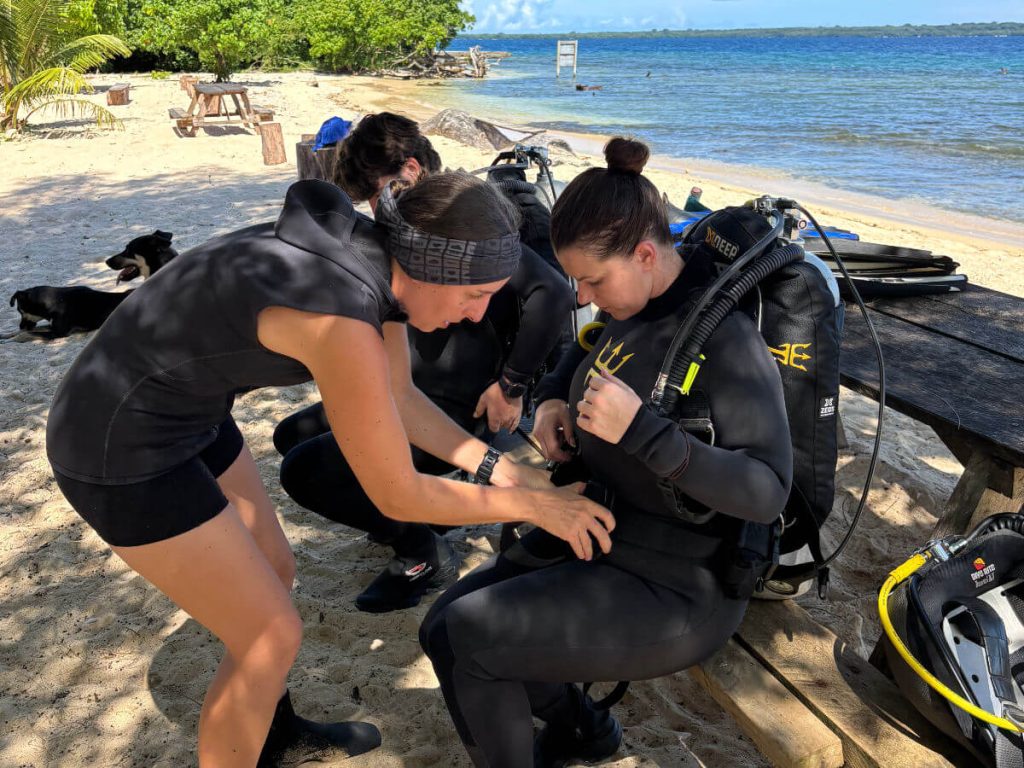
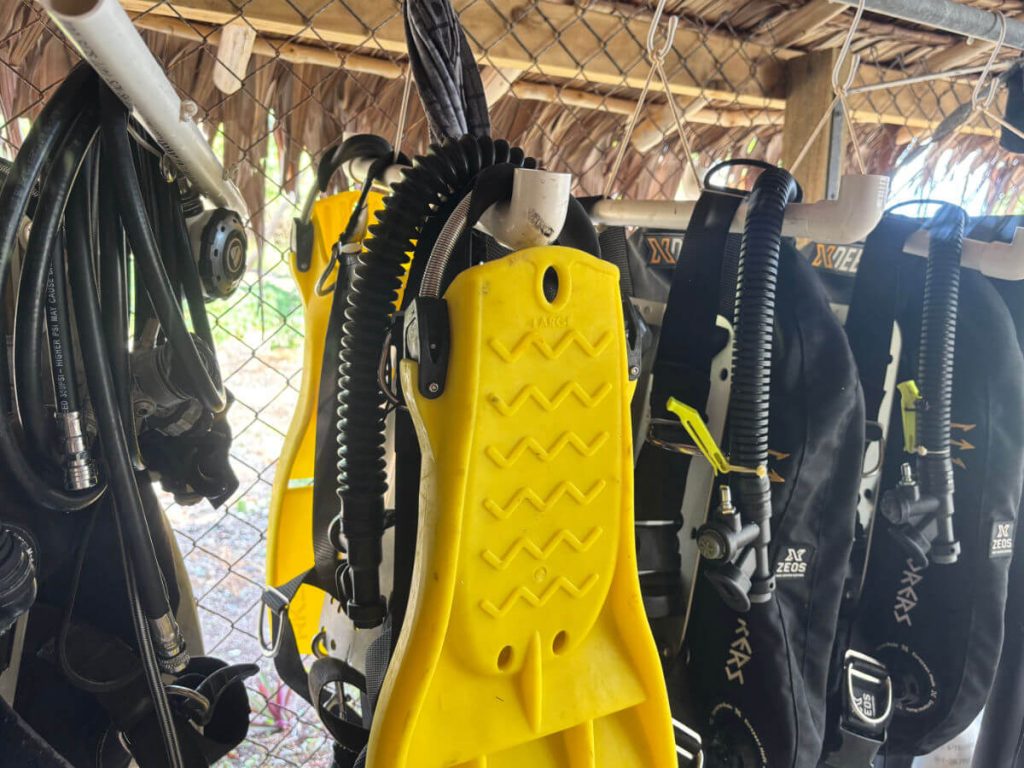
Just to be clear, this is completely optional. In fact, almost all dive centers include full equipment rental in the cost of entry-level scuba diving courses. After all, most beginners aren’t going to arrive fully kitted out.
That said, nothing is stopping you from buying a few personal items—especially if you think scuba diving is something you’ll continue with long-term.
At this stage, it’s best to keep it simple. A well-fitting mask (and possibly your own fins) are the only items worth considering early on. These make a noticeable difference to comfort in the water and can also be used for snorkeling, making them a practical first investment.
6. Setting Yourself Up for Success: What Comes Next?
Completing your Open Water Diver certification is just the beginning of your scuba diving journey. Once you’re certified, you’re no longer limited to supervised training dives—you can dive independently with a buddy anywhere in the world, within your certification limits (typically up to 18 meters).
From here, most new divers choose to build experience through guided diving, which simply means diving for enjoyment rather than training. This is where your confidence grows, your skills become more natural, and you start to really enjoy what the underwater world has to offer.
After a few dives, many people choose to continue their training with the Advanced Open Water Diver course. This course helps you expand your skills and experience different types of diving, such as deeper dives, navigation, and new environments.
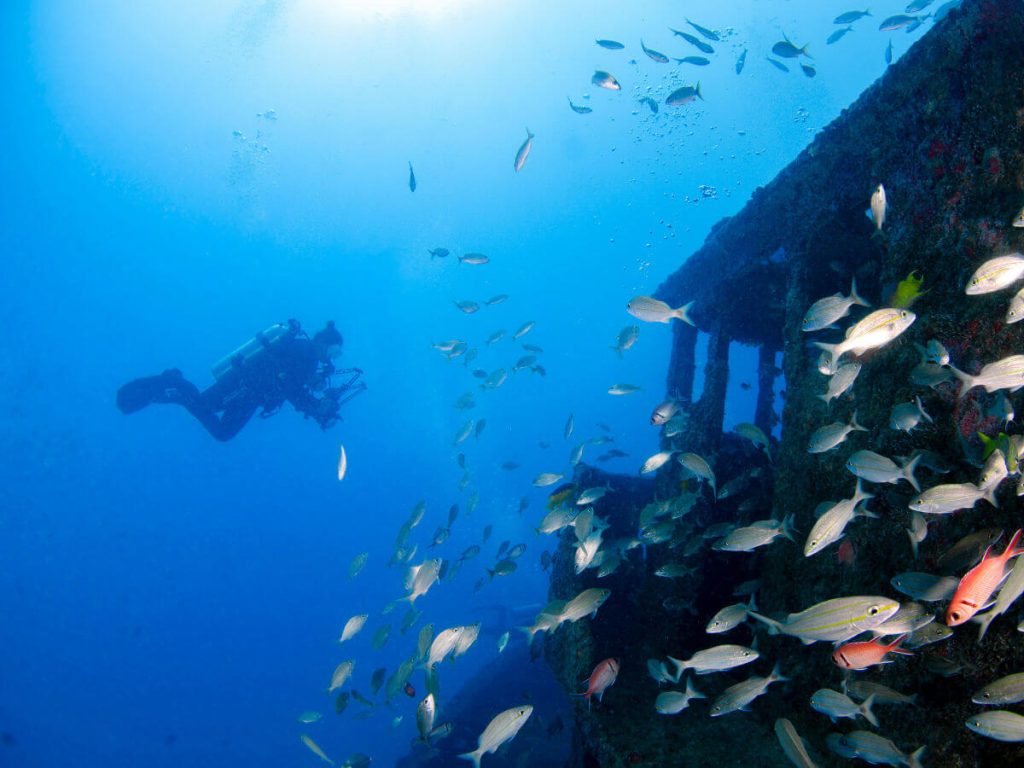
Beyond that, there are plenty of exciting directions you can take depending on your interests. You might explore wreck diving, night diving, drift diving, or marine life specialty courses, each offering new experiences and a chance to improve your abilities underwater.
Scuba diving is a progression-based activity, and your Open Water certification is simply your entry point. From here, every dive builds your experience and opens up even more of the underwater world.
Final Words of Advice …
Your first scuba diving experience can have a big impact on how you feel about diving long term. A positive, well-supported introduction will likely make you want to keep progressing, while a rushed or uncomfortable experience can put you off altogether. That’s why it’s so important that, when you learn to scuba dive, you feel comfortable, confident, and properly guided from the start.
No one should go into diving blindly, which is why I hope these six steps have helped you understand what to expect and how to make the right choices—from your first course to your dive center and location.
If you’re ready to take the next step, or you’d like help choosing the right scuba diving course, you can get in touch with us at Triton Explorers. We’ll help you find the best option for your level, answer any questions, and get you booked in for your first underwater experience.
If you have any other questions, feel free to reach out by email or leave a comment below.