
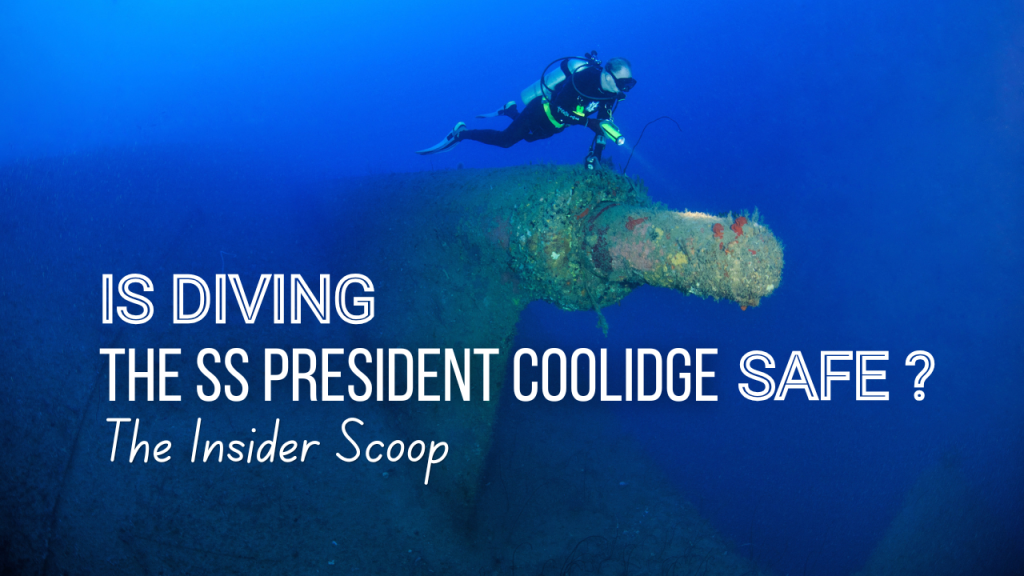
Every week we get asked the same question: Is diving in Espiritu Santo safe? Especially on deep wrecks like the SS President Coolidge. The honest answer is: it depends — and here’s what actually determines whether your dive is safe or not.
Disclaimer: This article is intended for general informational purposes only and reflects the author’s views and observations at the time of writing. It is not professional dive safety advice, legal advice, or a substitute for formal training or operator briefings. Scuba diving is an activity with inherent risks, and divers are responsible for their own decisions, training limits, and risk assessment. Conditions, procedures, and medical logistics may change over time and should always be confirmed with a qualified dive operator and relevant authorities.
The SS President Coolidge
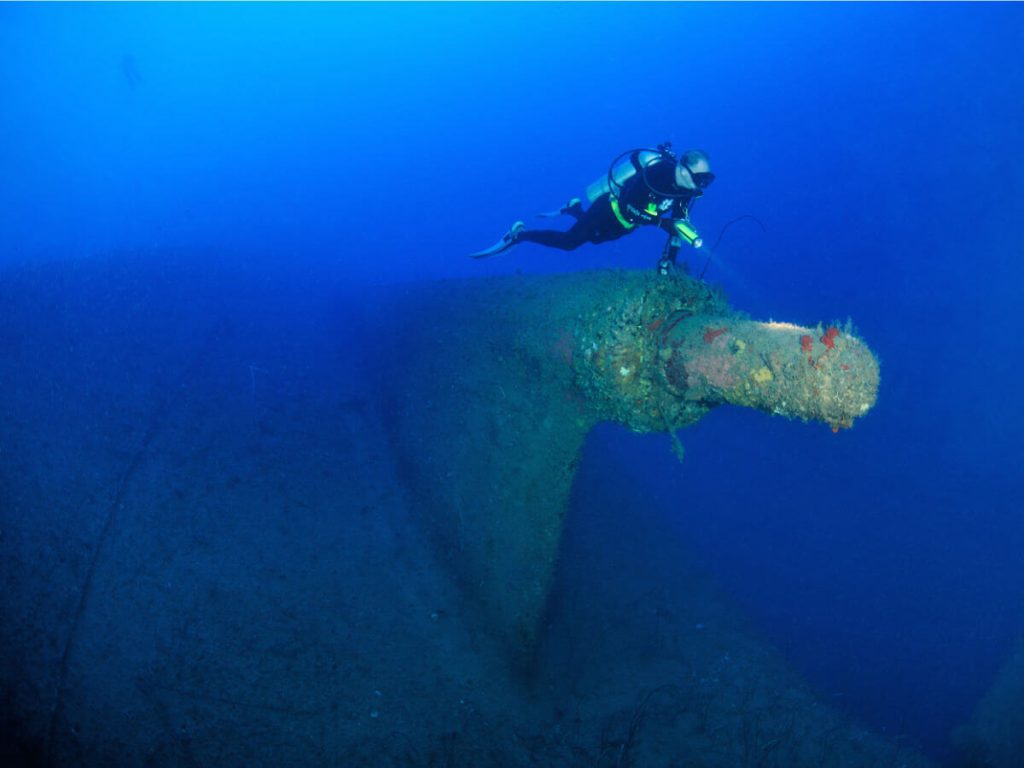
For those unfamiliar, Espiritu Santo is home to one of the largest and most accessible shipwrecks in the world—the SS President Coolidge.
Originally built as a luxury cruise liner and later converted into a troop carrier, the vessel sank during World War II after striking defensive mines just offshore in southeast Espiritu Santo, Vanuatu.
Read more about the History of the South Pacific’s greatest shipwreck right here.
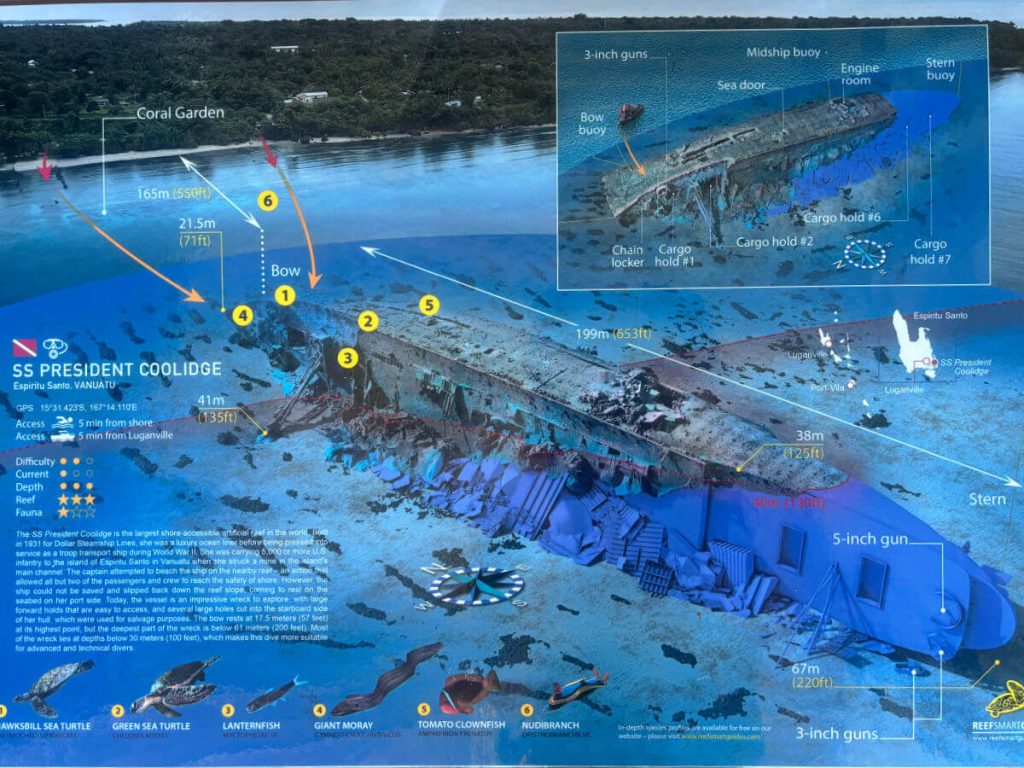
The seabed slopes steeply alongside the wreck, with the bow resting at approximately 15–20 metres and the stern extending down to around 60–70 metres. This creates a wide range of diveable depths suitable for different levels of training and experience.
Due to its close proximity to shore and generally sheltered conditions, many dives begin directly from the beach, making access relatively straightforward.
Here is a much more detailed Dive Guide of the SS President Coolidge for more information.
Risks of Diving on The Coolidge
Safety on the Coolidge is shaped by four main factors: the wreck itself, the environment, how the dive is conducted and the access to emergency services.
1. The Wreck Itself
The SS President Coolidge presents a unique combination of depth, structure, and scale that can quickly increase dive complexity.
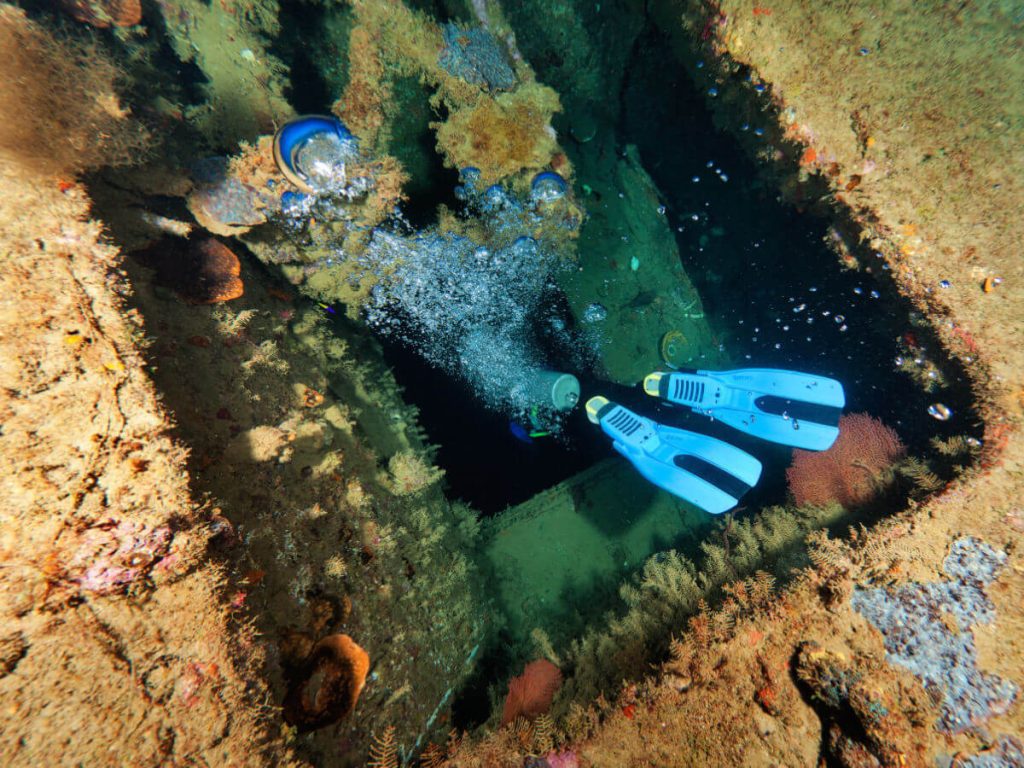
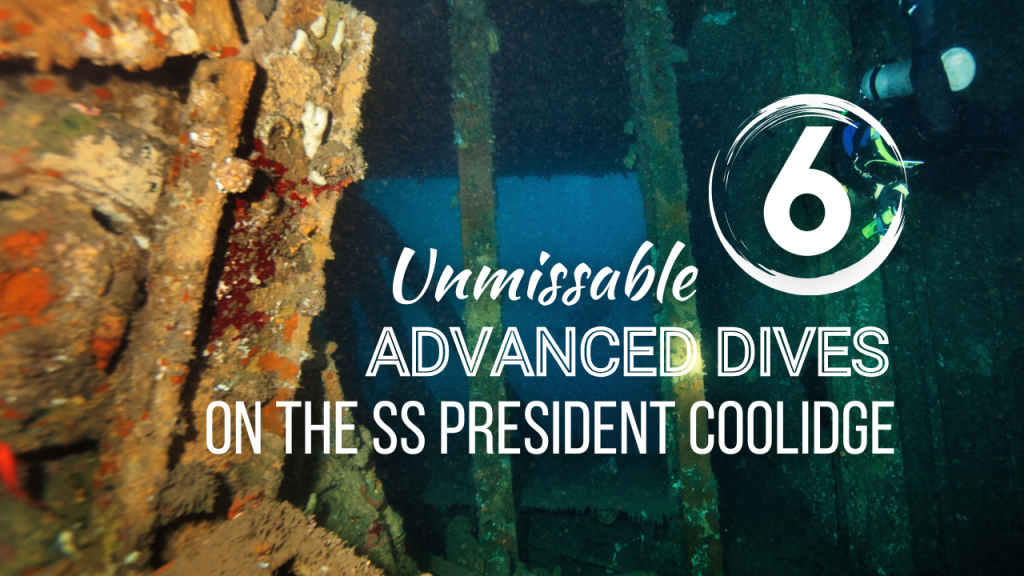
Deeper profiles, overhead environments, restricted passages, and the swim out to the wreck all impact gas consumption, no-decompression limits, and narcosis. Inside the wreck, penetration introduces additional challenges such as navigation, silt-out risk, entanglement, and increased task loading.
At the same time, the calm conditions, warm water, and easy access can create a false sense of simplicity—where the dive feels easier than it actually is.
2. Environmental factors
Vanuatu sits in a seismically active region which can occasionally result in earthquakes.
If an earthquake were to occur whilst inside the wreck it could affect visibility through silt disturbance, especially in enclosed or overhead areas. Which is why small dive groups, professional guidance and diver mental state are particularly important.
Over time, natural forces such as corrosion and currents also continue to reshape the Coolidge. This is normal for all deep wreck environments and is part of why situational awareness matters during penetration diving.
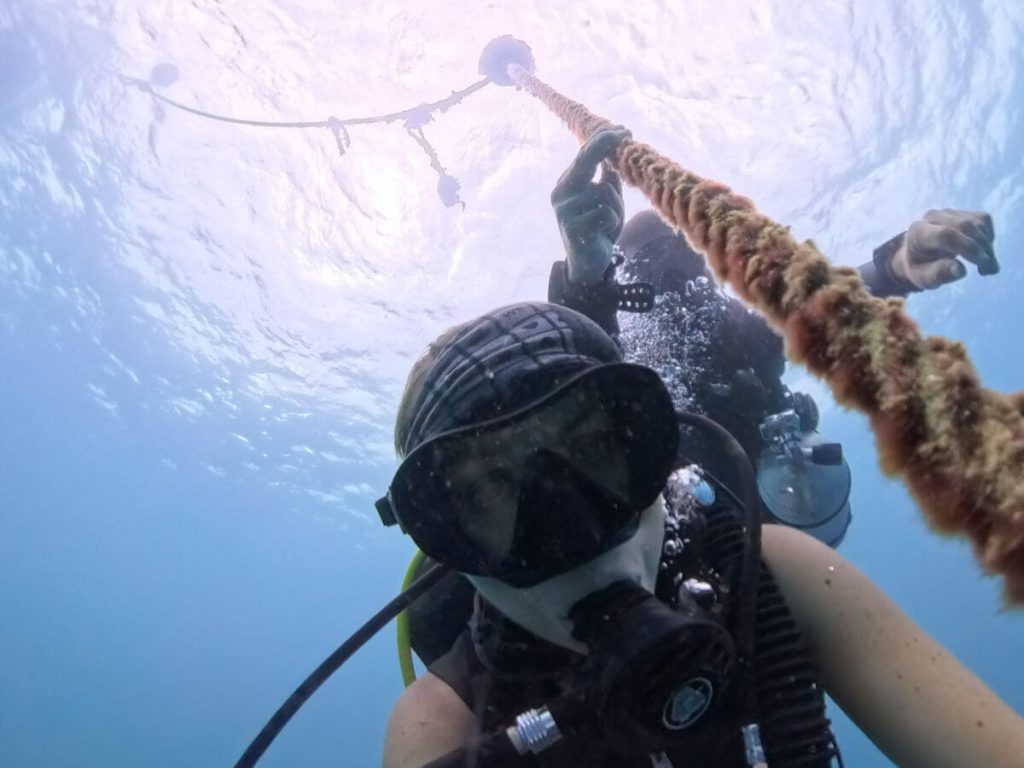
Local currents in the area can also vary depending on conditions in the channel, although mooring lines and proximity to populated areas means risk of divers being affected by strong currents or bad visibility are very low.
3. How the Dive is Conducted
The biggest variation in safety often comes down to operational approach.
Historically, diving in the region developed during a period when dive theory and decompression practices were still evolving. At that time, deeper profiles and routine decompression were more common in exploration diving.
Modern training has since become more conservative, with greater emphasis on:
- gas planning
- redundancy
- controlled depth exposure
- strict certification limits
All of which are designed to reduce avoidable risk and improve consistency in diver safety.
As with many dive destinations around the world, operators may differ in their approach to dive planning, guiding style, training philosophy, and the level of conservatism applied to dives. In some cases, more traditional approaches may still be used, shaped by earlier training systems and long-established local practice—often summarised in the sentiment, “this is how it has always been done here.”
External pressures in recent years, including Cyclone Harold, the COVID-19 pandemic, and disruptions in regional air travel, have also placed significant strain on the local tourism and diving industry. In smaller destinations, this can slow the pace at which newer training standards, procedures, operational frameworks are adopted.
Many local guides bring decades of experience and deep familiarity with sites like the SS President Coolidge, often developed under earlier diving frameworks that approached depth, decompression, and risk differently than today’s standards. As a result, there can be variation in how modern practices are interpreted and applied in day-to-day operations.
For this reason, divers should take time to choose an operator whose approach matches their experience level and comfort.
To learn more about how to recognize a reputable diving operator, read this post.
4) Access to Medical Treatment
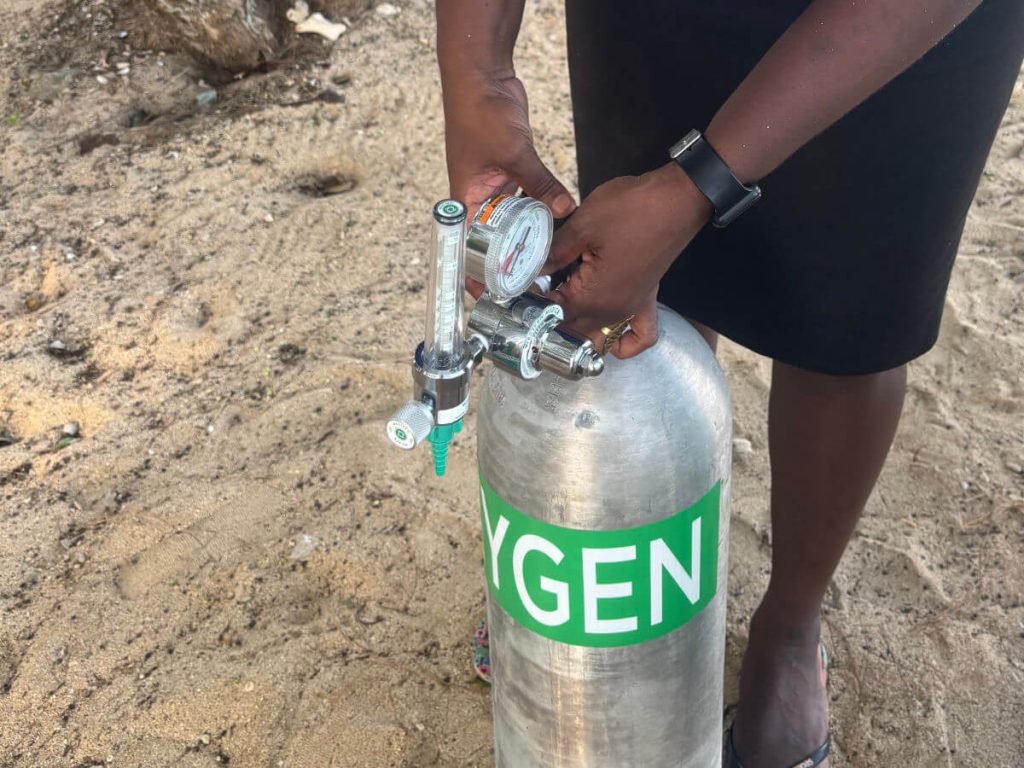
An additional consideration to diving on the SS President Coolidge is access to medical treatment should something go wrong.
There is no hyperbaric chamber on Espiritu Santo. Treatment for decompression sickness requires evacuation to Port Vila or New Caledonia, depending on severity and logistics.
While emergency services and medical facilities exist locally, evacuation time is an important factor in dive planning and insurance coverage.
Is Anything in Place to Regulate Safety?
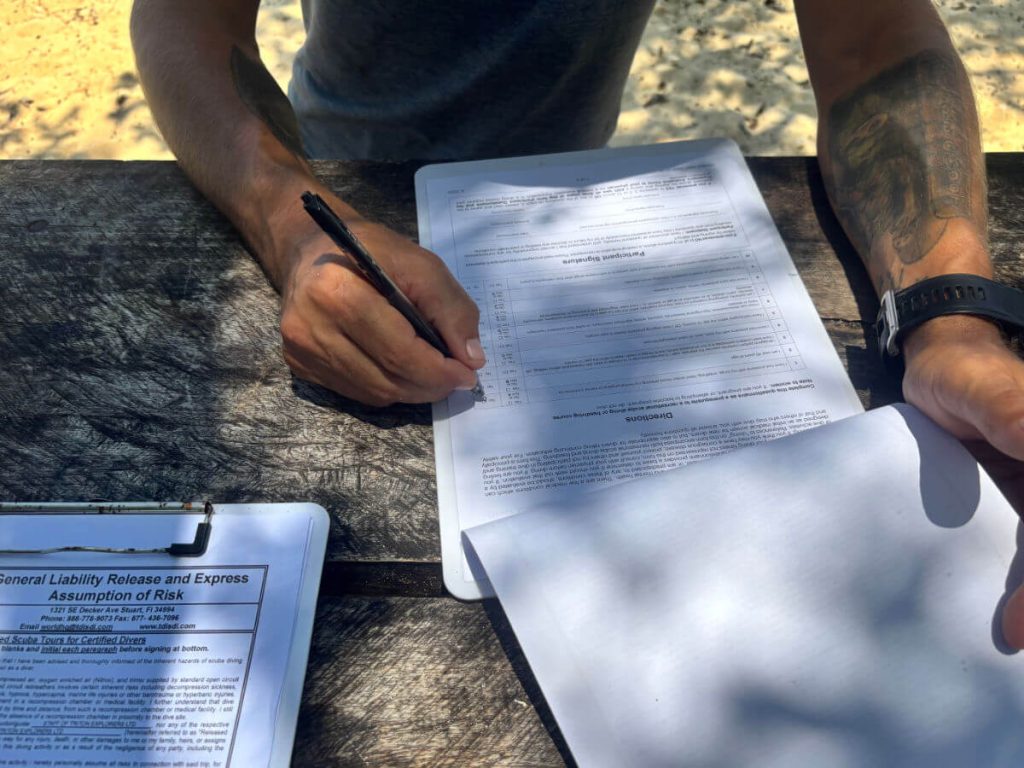
Due to the specialised nature of scuba diving, parts of the industry in Vanuatu operate through self-regulation such as the Vanuatu Scuba Operators Association.
This approach does provide structure, but it also introduces certain limitations.
For example, there is overlap between dive operators and dive regulators. That can make it less clear who concerns should be raised with—particularly if an issue involves someone within that same network.
It can also lead to differences in how strictly standards are applied, especially in smaller destinations where operators are closely connected and the industry relies heavily on tourism.
In tourism industries, what is publicly visible is also often only part of the picture. For this reason, divers should not rely solely on media or public perception when making decisions about who to dive with.
None of this means diving is unsafe—but it does mean divers should take a multi-layered approach to safety and not rely on any single source of assurance when choosing who to dive with.
So Is Diving on the SS President Coolidge Safe?
Yes—scuba diving on the SS President Coolidge is generally a safe activity when it is conducted within the limits of a diver’s training, experience, and comfort level, and when appropriate procedures are followed.
Diving safety is always a shared responsibility between the diver, their training, and the dive operation.
However, as with all forms of adventure diving, it is important to be diligent when choosing who you dive with and how dives are conducted.
So aside from choosing a reputable dive centre, there are a few key things every diver should do to stay safe in Espiritu Santo:
1) Stick to your training level and more importantly comfort limits
Your training level sets a baseline, but your personal comfort can vary from day to day depending on conditions, experience, and mindset.
Diving should always feel manageable and under control. If a planned dive starts to feel outside what you are comfortable with—whether due to depth, overhead environments, task loading, or the pace of the group—it is appropriate to speak up or adjust your participation.
Dive plans are flexible, and it is normal for divers to sit out or modify a dive if they feel it is not right for them at that time.
Training standards exist to help guide safe progression, and they should be treated as one of several tools—alongside personal awareness and judgement—when deciding what dives to do.
If you don’t agree then read ‘Scuba Certification Limits: Should we really stick to them’
2) Get the right training
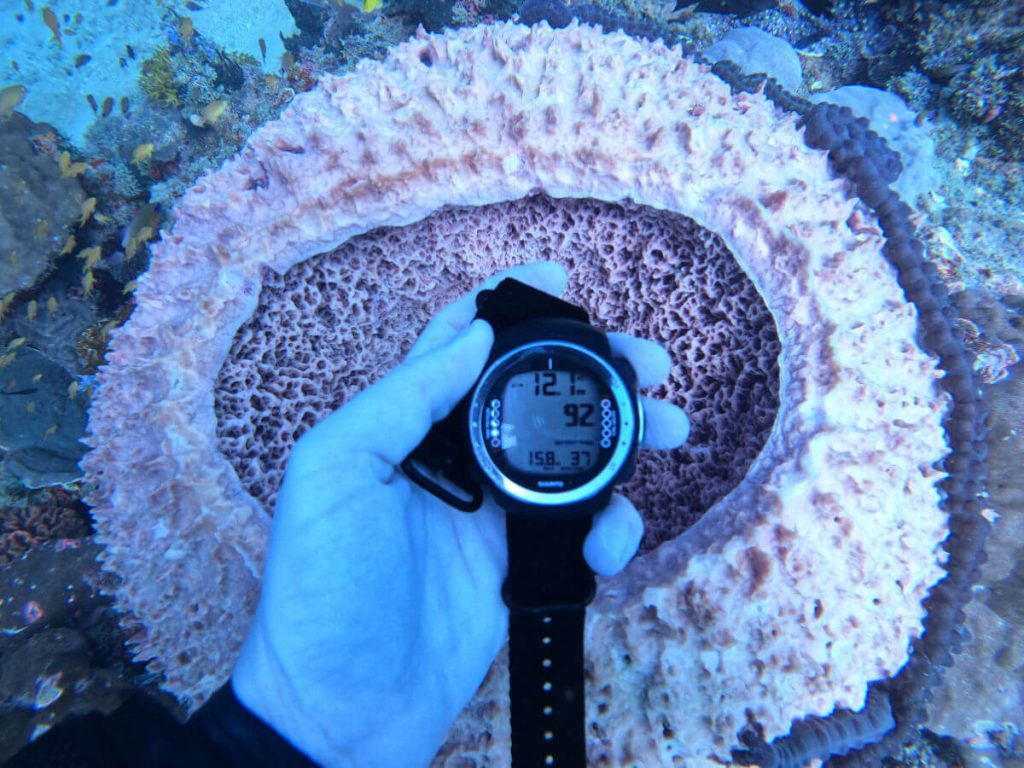
The SS President Coolidge is undoubtedly an amazing wreck and one of the reasons why is it actually makes a perfect training ground for a variety of different courses. The most popular being advanced, deep, wreck and technical diving certifications.
All it takes is a little planning beforehand and communication with your dive operator to make sure you have enough time to complete it and you will leave Santo with a souvenir that lasts a lifetime (plus some pretty incredible memories)!
Since the Coolidge is so big we have detailed minimum certifications for all of our SS President Coolidge Dive Plans so you can make a more informed decision of where you want to go on the wreck and what potential training you would like to undertake. Or get in touch with us and we would be happy to give you a tailored recommendation.
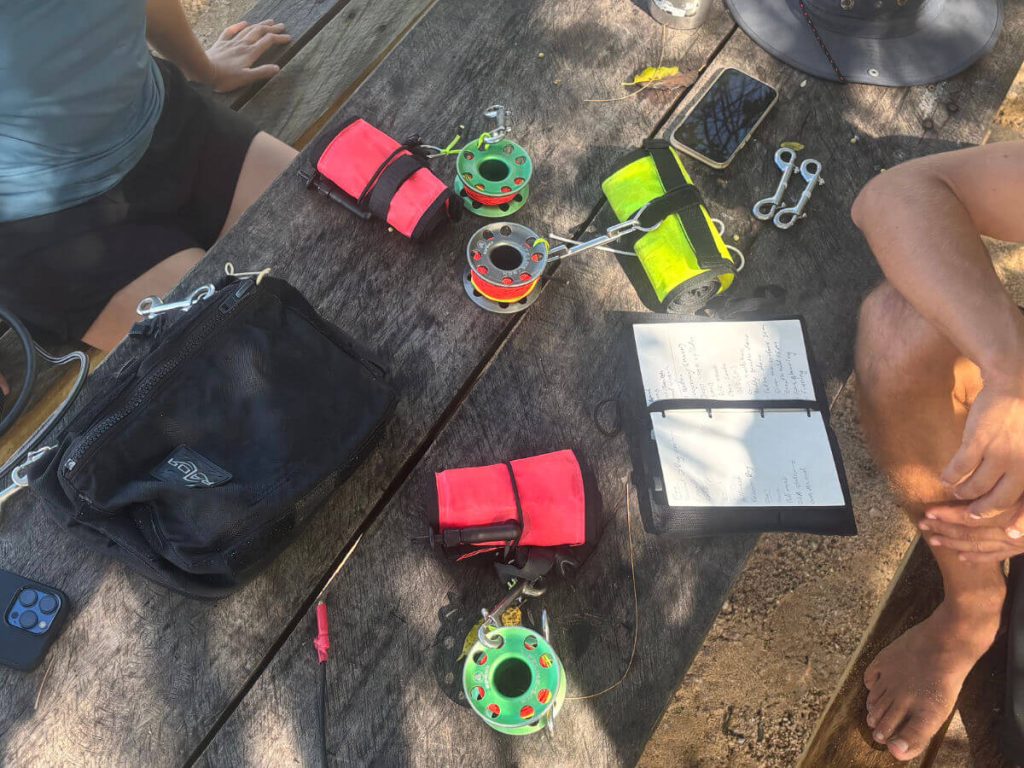
3) What Is the contingency plan if something does go wrong?
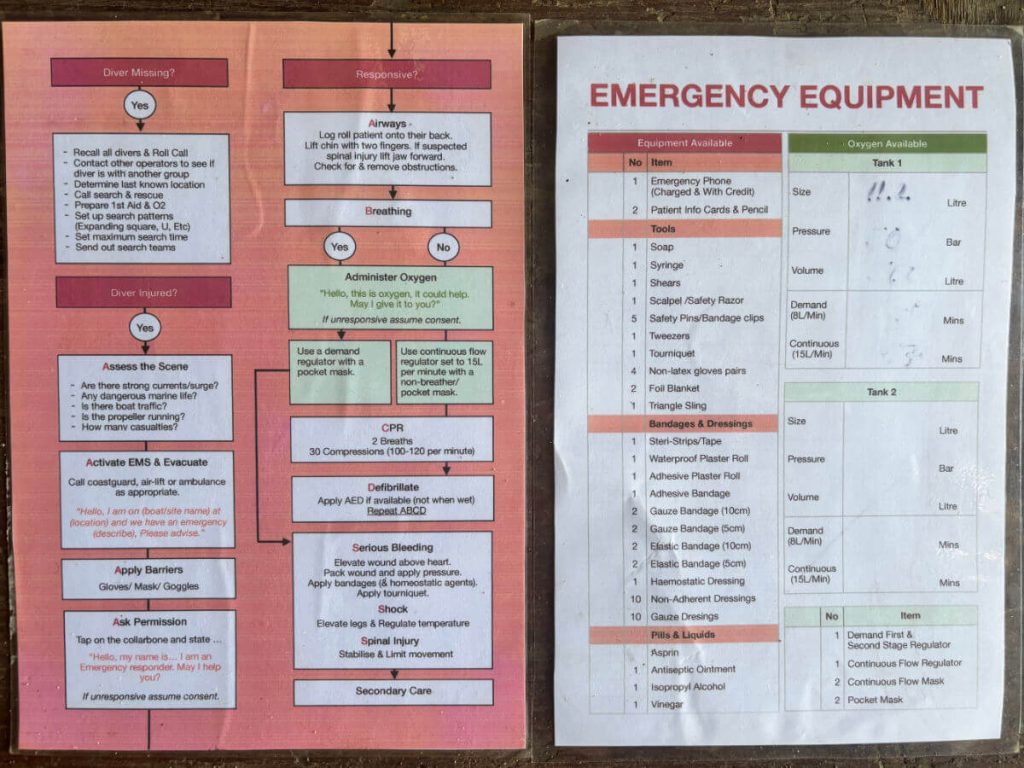
Ask Yourself. Is there emergency equipment available? What are the evacuation plans? Do I have insurance and does it cover the kind of diving i’m doing? Many of them will only cover you up to your certification limit.
Although we do have a ambulance service, medical clinic and hospital on Santo the nearest hyperbaric chamber is in Port Vila which requires a low level evacuation flight and then treatment. Something that can put a sizable dent in your savings if you aren’t covered by insurance.
How Do I Know Who to Dive With?
Thankfully, that shift towards higher safety standards is underway.
Across the industry—including tourism bodies, training agencies, and healthcare providers—there’s growing emphasis on improving safety awareness, aligning with modern training standards, and strengthening risk management.
At the same time, divers themselves are becoming more informed and are increasingly driving demand for well-structured, conservative, and professionally run dives.
From a diver’s perspective, one of the most effective ways to support this shift is by choosing operators who prioritise:
- conservative dive planning
- clear, detailed briefings
- adherence to modern training standards
In smaller destinations like Espiritu Santo, the diving community is closely connected, and incidents can have wider impacts on reputation, regulation, and long-term access. Maintaining high standards benefits not just individual divers, but the sustainability of the industry as a whole.
This is especially important at sites like the SS President Coolidge, where accessibility and popularity make responsible planning essential.
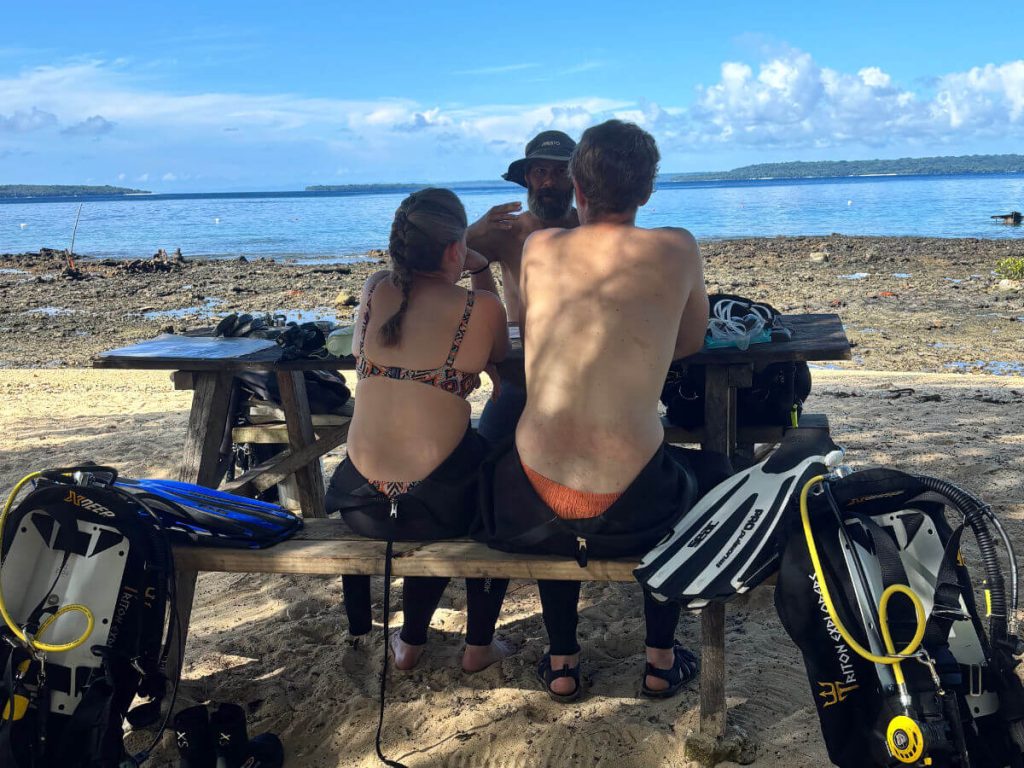
At Triton Explorers, this is something we actively prioritize through structured briefings, training pathways, and open conversations like this.
Final Thoughts
We encourage you to give Santo a chance. It is a truly special place, home to world-class dive sites, including the SS President Coolidge.
With the right preparation, awareness, and respect for the environment, it offers unforgettable diving experiences.
Change naturally challenges established norms, and this conversation may not resonate with everyone. But open discussion is how diving continues to evolve. So if you have any opinions we would love to hear them in the comments below.



One Response
safe diving is not just a slogan ,if your intention is to have a great and safe experience , call TritonExplorers. The only dive Operetor from the VSOA in Espiritu Santo, Vanuatu that offer a higher safety standart and a pleasant approches to a Deep Dark Penetration Dive .