For many people, scuba diving starts as a holiday activity — warm water, colourful reefs, and relaxed underwater exploration. But as divers gain experience, many begin hearing about technical diving and wonder how it differs from recreational diving.
While both forms of diving share the same passion for exploring the underwater world, the training, equipment, planning, and risks involved are very different.
In this guide, we’ll break down the key differences between recreational diving and technical diving, including depth limits, equipment, decompression, and who each style of diving is best suited for.
What is Recreational Diving?
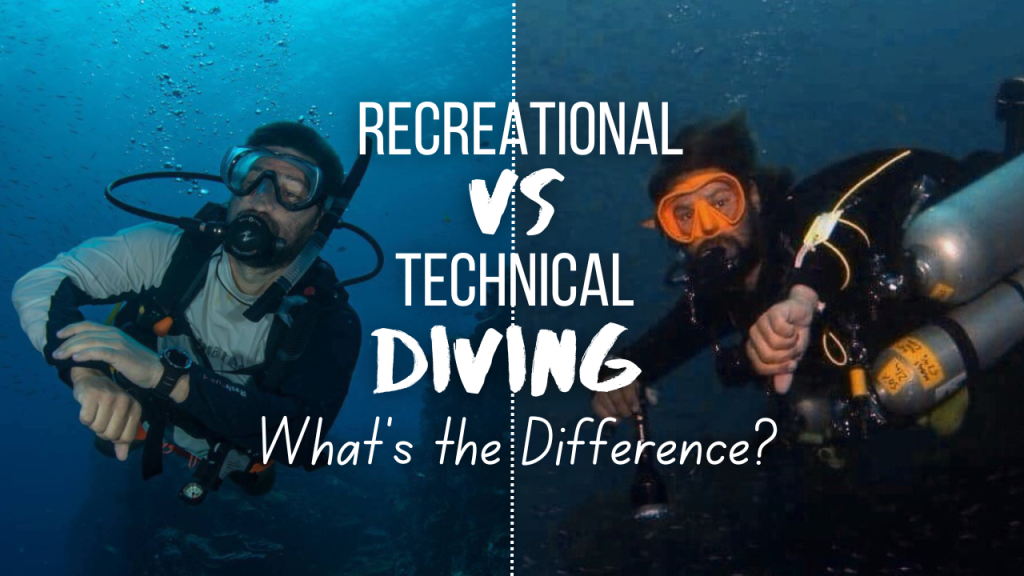
Recreational diving is scuba diving done for leisure while staying within safe no-decompression limits (NDLs) and allowing for a direct ascent to the surface at any point during the dive. Recreational divers are limited to a maximum depth of 40m / 130ft.
Within recreational diving there are several certification levels:
- Open Water Diver – maximum depth of 18m / 60ft
- Advanced Open Water Diver – maximum depth of 30m / 100ft
- Deep Diver – maximum depth of 40m / 130ft
Recreational Diving Equipment
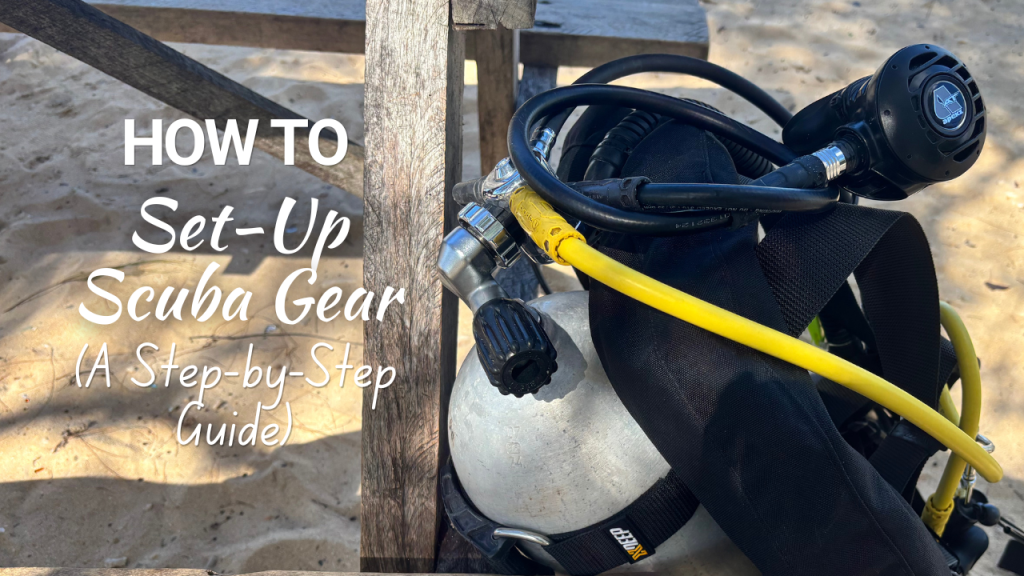
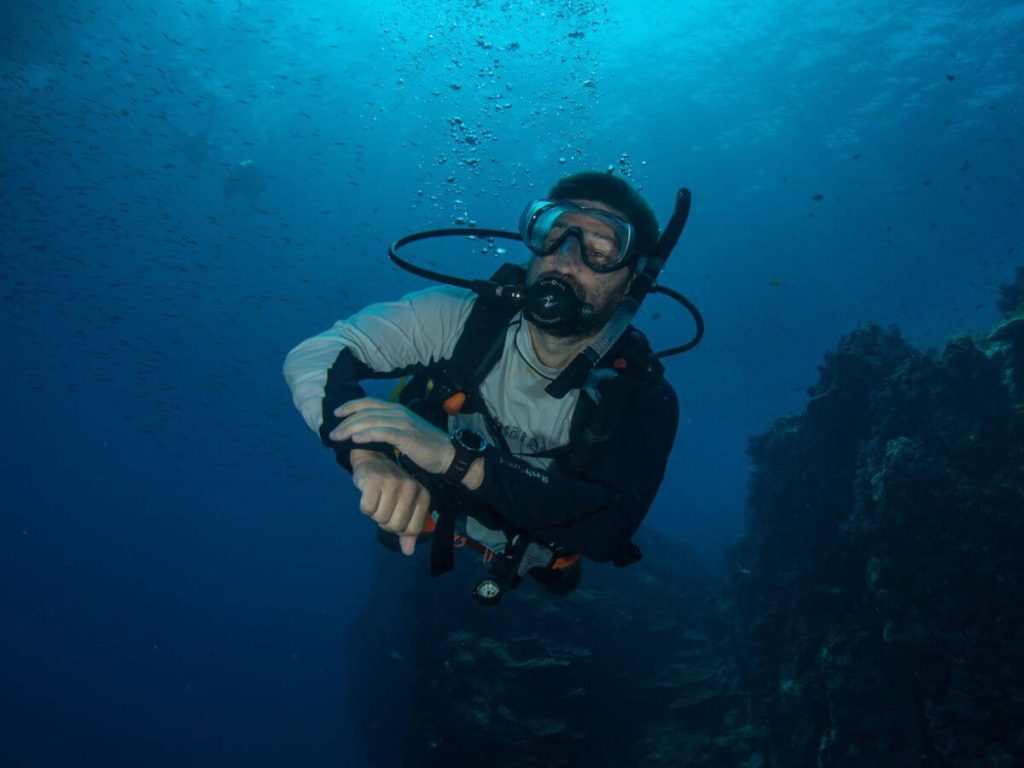
Most recreational divers use a standard scuba setup with a single tank and either a jacket-style BCD or backplate and wing system. Because dives remain within no-decompression limits, recreational diving allows for straightforward dive profiles and direct ascents if necessary.
Why Divers Choose Recreational Diving
Recreational diving is ideal for reef diving, shallow wrecks, marine life encounters, and general underwater exploration.
This is the type of scuba diving most holiday divers are familiar with. Recreational diving is relatively straightforward and does not require the same level of planning, equipment, or training as technical diving.
What is Technical Diving?
Technical diving, often called tec diving or decompression diving, refers to any dive that exceeds recreational diving limits. This includes diving deeper than 40m / 130ft, exceeding no-decompression limits, or entering overhead environments such as caves and advanced wreck penetrations.
Unlike recreational diving, technical divers cannot always ascend directly to the surface. Instead, they must complete planned decompression stops during ascent to safely remove excess nitrogen from the body and reduce the risk of decompression sickness (DCS). This creates an invisible “ceiling” underwater, meaning divers cannot safely ascend until their decompression obligations are complete.
Technical Diving Equipment
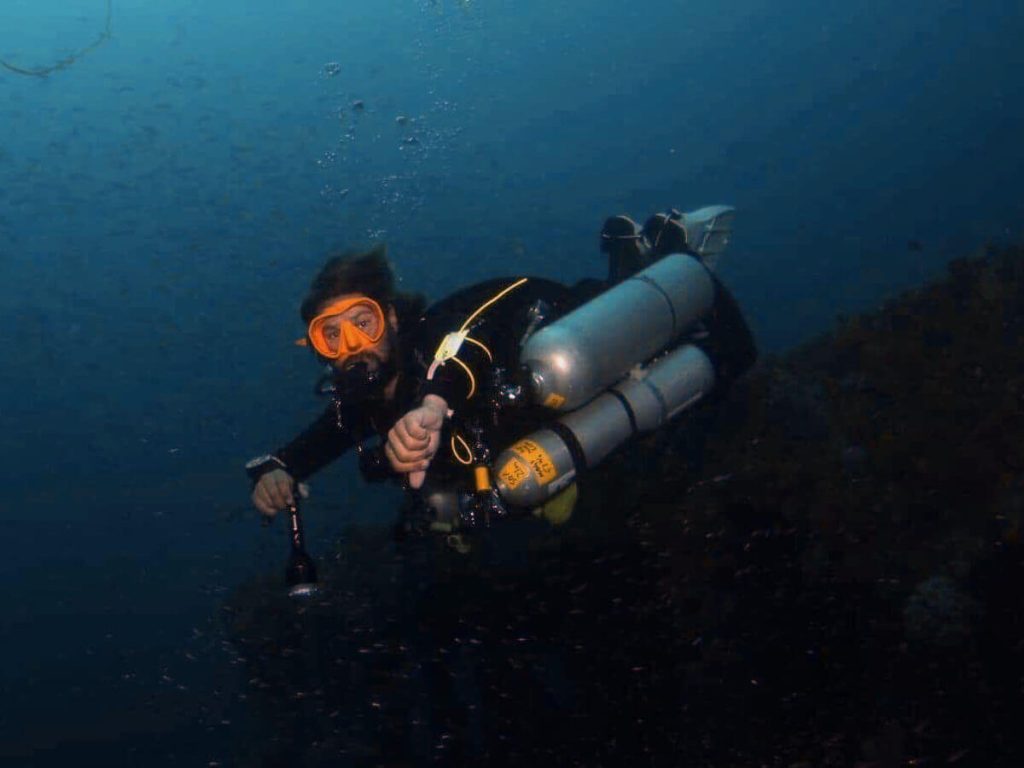
Because of the increased risks and complexity, technical diving requires significantly more training, planning, and equipment redundancy. Technical divers often carry additional gas supplies, backup regulators, multiple dive computers, and redundant systems to prepare for emergencies underwater.
As divers progress in technical diving, they may begin using advanced gas mixtures such as nitrox and trimix to safely conduct deeper or longer dives. These gases are commonly used for deep wreck exploration, cave diving, and exploring sites beyond recreational limits.
Some technical divers also move from traditional open circuit scuba equipment to rebreathers, which recycle breathing gas instead of releasing bubbles into the water. Rebreathers improve gas efficiency and help reduce the costs associated with deep diving gases such as helium.
Why Divers Choose Technical Diving
Technical diving is designed for divers seeking greater challenges, deeper exploration, and access to underwater environments that are not accessible within recreational diving limits. For many divers, it offers the opportunity to explore deeper wrecks, caves, and untouched dive sites while continually advancing their skills and knowledge.
Rec or Tech? Which One Is Best for You?
Every diver starts out as a recreational diver, but whether you decide to progress into technical diving is entirely your choice. Some divers are perfectly happy enjoying reefs, marine life, and relaxed holiday diving, while others eventually want to explore deeper and more challenging sites, build on their skills, and push their diving further.
For many divers, technical diving becomes appealing because it opens access to incredible sites like the SS President Coolidge here in Vanuatu, where there is something for every level of diver — from shallow recreational dives to advanced technical exploration.
Whatever path you choose, every diver’s journey is different, and progression should always happen at your own pace with the right training and experience.
At Triton Explorers, we offer a full range of recreational and technical diving courses to help divers safely progress through every stage of that journey. Whether you’re taking your first breaths underwater or working towards advanced technical training, our team can help you build the skills and confidence to explore more of what the underwater world has to offer.
So get in touch with us today and start planning your ideal dive training program.