
If you spend any amount of time in Vanuatu, it won’t take long before you hear about kava. Served in small shells at quiet local nakamals across the islands, kava is far more than just a drink.
For visitors, kava culture can feel quite different from the lively bars and pubs back home, but for locals it is an important part of daily routine, as well as a way to connect with heritage, tradition, and community while unwinding and relaxing.
Whether you are curious about what kava actually is, how it is made, how to drink it properly, or what to expect when visiting a nakamal for the first time, this guide will walk you through everything you need to know about one of Vanuatu’s most iconic traditions and how to experience kava culture for the first time.
What is Kava?
Kava is a traditional drink from the South Pacific made from the roots of the kava plant (Piper methysticum), a member of the pepper family. It has been consumed for centuries across Pacific Island cultures, particularly in Vanuatu, Fiji, Tonga, and Samoa.
While often described as a “relaxing drink,” kava is more than just a beverage—it is deeply tied to ceremony, community life, and social tradition throughout the region.
How Is Kava Made in Vanuatu?
The traditions of kava preparation in Vanuatu go back more than 3,000 years. In its earliest form, preparation was highly ceremonial. In some communities, young boys—often chosen for their perceived purity—would chew fresh kava root and spit it into a communal bowl. This was then mixed with coconut water or coconut milk and consumed by elders during important gatherings.
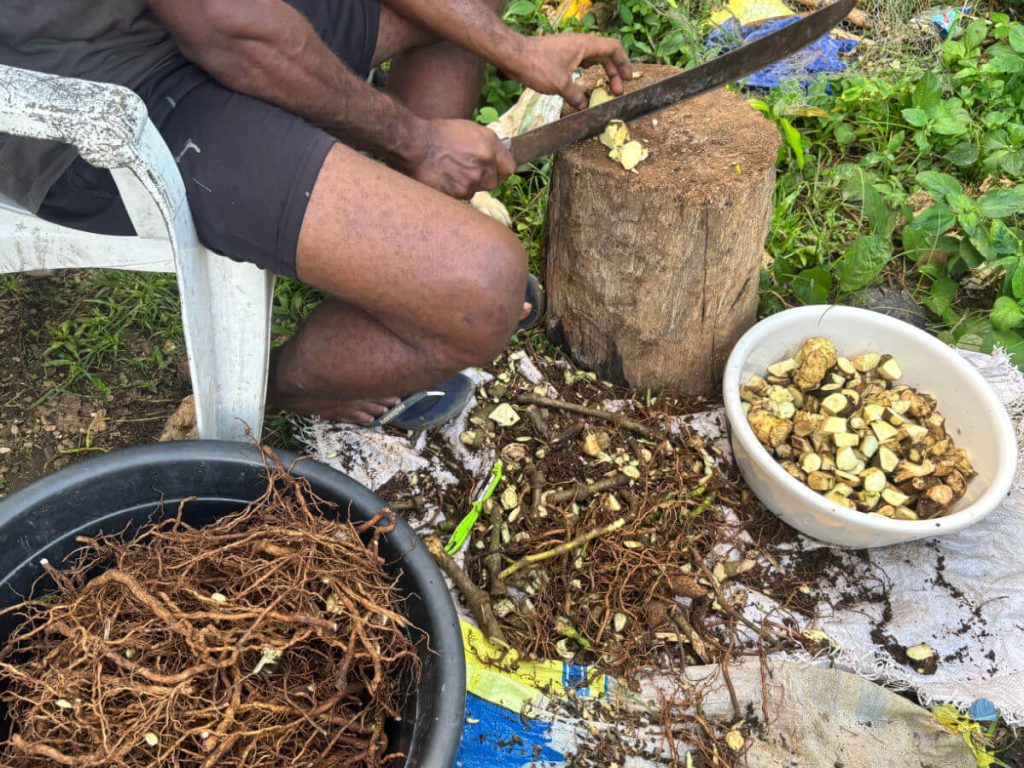
Over time, this method evolved into more manual processing. The root would be washed and grated using stone tools, sometimes even coral heads, before being mixed with water and strained through coconut fibre. This was an important step in moving away from chewing while still keeping the process entirely traditional.
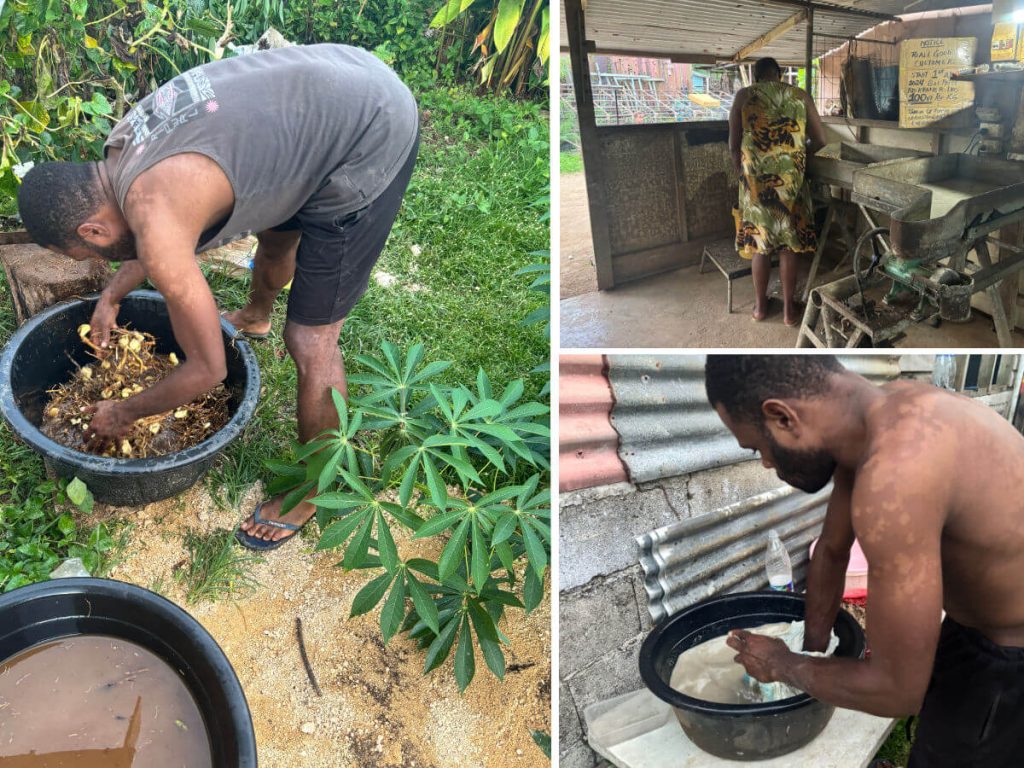
Today, preparation is more modern but still follows the same principle of extracting the active compounds from the root. The kava is cleaned, then ground using graters, grinders, or modified mincers. It is mixed with water and strained through cloth sacks, hessian, or mesh filters to produce a muddy liquid containing the active compounds of the plant.
Unlike dried and powdered kava products (such as those from exporters like Forney), traditional kava must be prepared and consumed fresh. It does not store well once mixed with water, which is why kava bars prepare it throughout the day and serve it shortly after it is made.
What Are the Effects of Kava?
The effects of kava come from compounds called kavalactones, which are released when the ground root is mixed with water. These compounds interact with the nervous system and produce a calming effect rather than a stimulating one.
Most people experience relaxation, reduced stress, and a sense of mental calm. Some also describe mild euphoria or increased sociability, but the dominant effect is usually a feeling of physical and mental relaxation.
Kava is best known for its anxiolytic (anxiety-reducing) properties. It is not alcohol and does not create intoxication in the same way. Instead, it produces a slower, grounding effect that builds over time.
Research is ongoing into potential therapeutic uses, including anxiety management and sleep support, though many claims beyond this are not confirmed and should be treated cautiously.
Is Kava Dangerous?
Kava itself is generally considered safe to consume when prepared properly. However, like anything, it should still be consumed in moderation.
Drinking too much kava can reduce coordination, slow reaction time, and create a heavy or unsteady feeling in the body. People who have consumed large amounts may have difficulty walking or moving normally, so it is not recommended to drive or operate machinery after drinking it.
As kava can affect coordination and reaction time, it is best avoided before scuba diving or other activities that require focus and alertness.
The biggest issue travellers may encounter is often the water used to mix the kava rather than the kava itself. In some rural areas, kava may be prepared using river or rainwater, while kava bars in towns are more likely to use communal or treated water supplies. Poor water quality can occasionally cause mild stomach upset, so it is simply something to be aware of before drinking.
Where to Drink Kava in Vanuatu
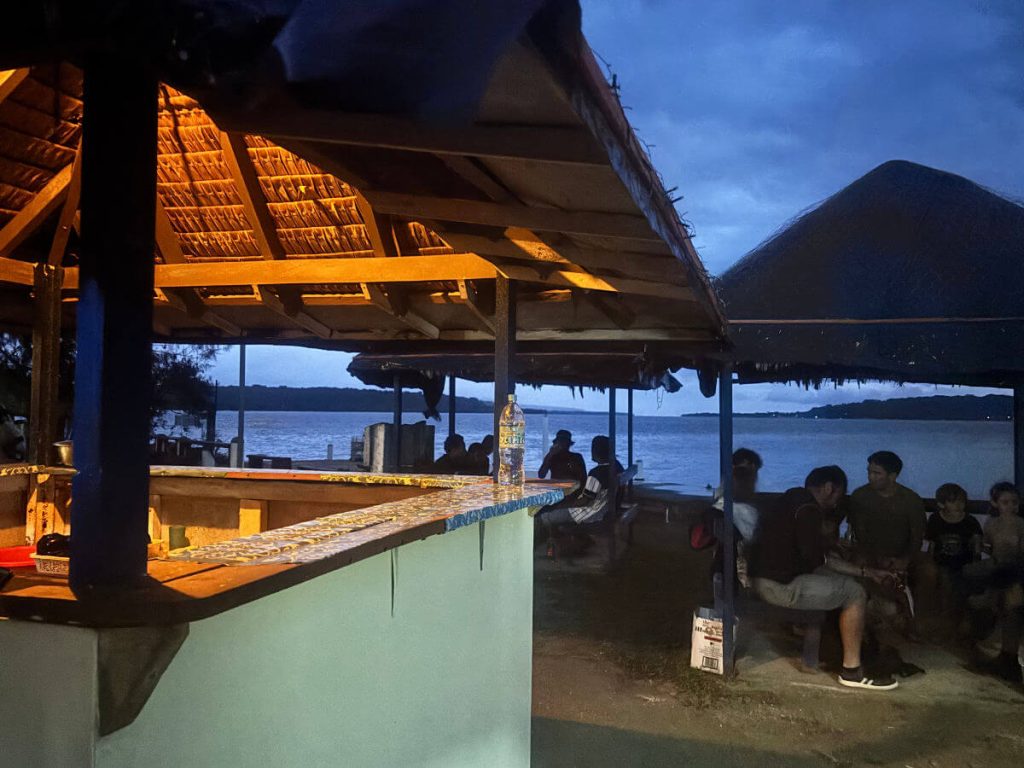
In Vanuatu, kava is most commonly consumed in kava bars, known locally as nakamals. These are very different from Western-style bars. They are usually simple open-air shelters or shaded spaces where kava is served directly.
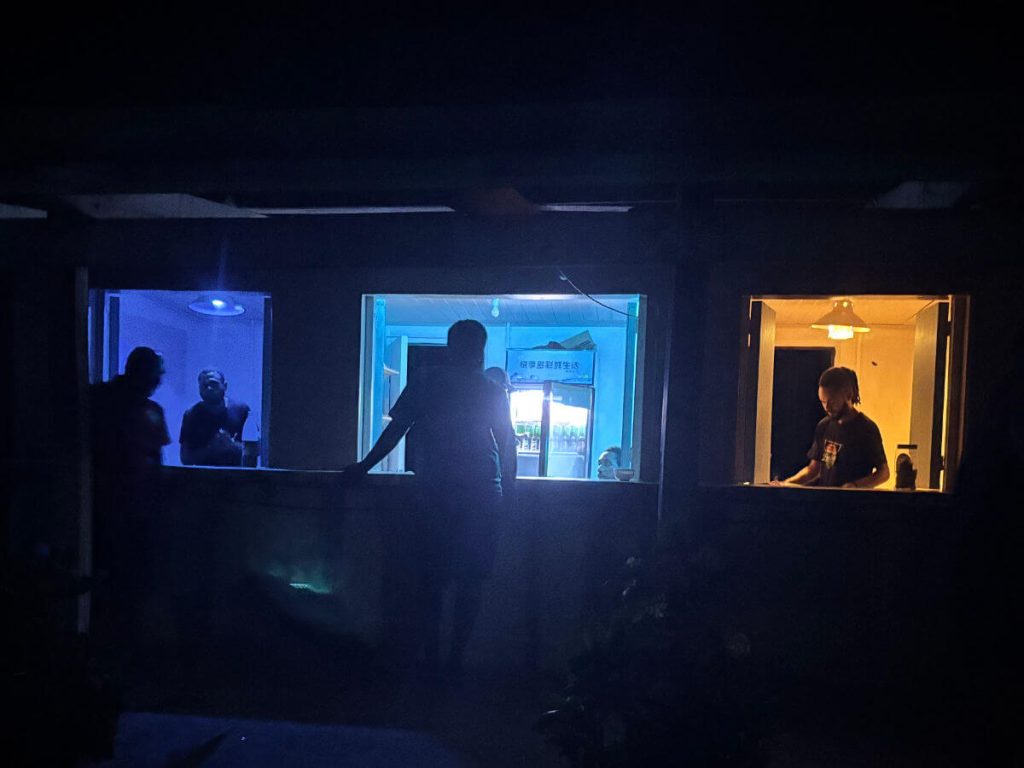
Most nakamals are low-key and minimally marked. A coloured light outside is often the only indicator that a place serves kava. Inside, there is usually little to no music, and conversation tends to stay quiet and relaxed.
This environment is intentional. Bright lights and loud noise can feel uncomfortable when drinking kava, so the atmosphere is kept calm and low stimulation.
Some larger nakamals may include simple entertainment like pool tables or pétanque, but the overall tone remains subdued.
Food is often available nearby through local vendors selling “kai kai,” or simple meals and snacks such as taro, cassava, bananas, or grilled fish. Check out our guide to the best Vanuatuan food to see what you should try.
Kava culture in Vanuatu is very much an evening tradition. People usually start drinking kava from around 4pm onwards, after work and daily activities have finished. Most nakamals are not late-night venues, and they typically close once the kava has been finished for the evening rather than staying open late into the night.
How to Drink Kava in Vanuatu
Kava is sold in “shells,” a term that originally referred to half a coconut shell but now usually means a small plastic bowl. Prices are often referred to simply by numbers like “50” or “150,” which indicate price tiers rather than exact volume. Ordering is usually as simple as asking for something like “wan blo 50,” meaning one shell at that price level.
Most people start with a larger shell first to gauge the strength of that particular batch, since kava varies significantly depending on how it is prepared and the root used. There is no reliable way to know its strength beforehand, so the first shell is often more of a test than anything else.
A common misunderstanding among visitors is expecting strong effects after just one shell. While there may be a slight numbing of the lips or mouth early on, the more noticeable relaxing effect usually builds gradually after several shells rather than immediately.
Drinking kava is a social activity and is commonly done in rounds or groups. People will often sit together, share conversation, and take turns ordering shells over the course of an evening rather than drinking alone.
How does Kava Taste?
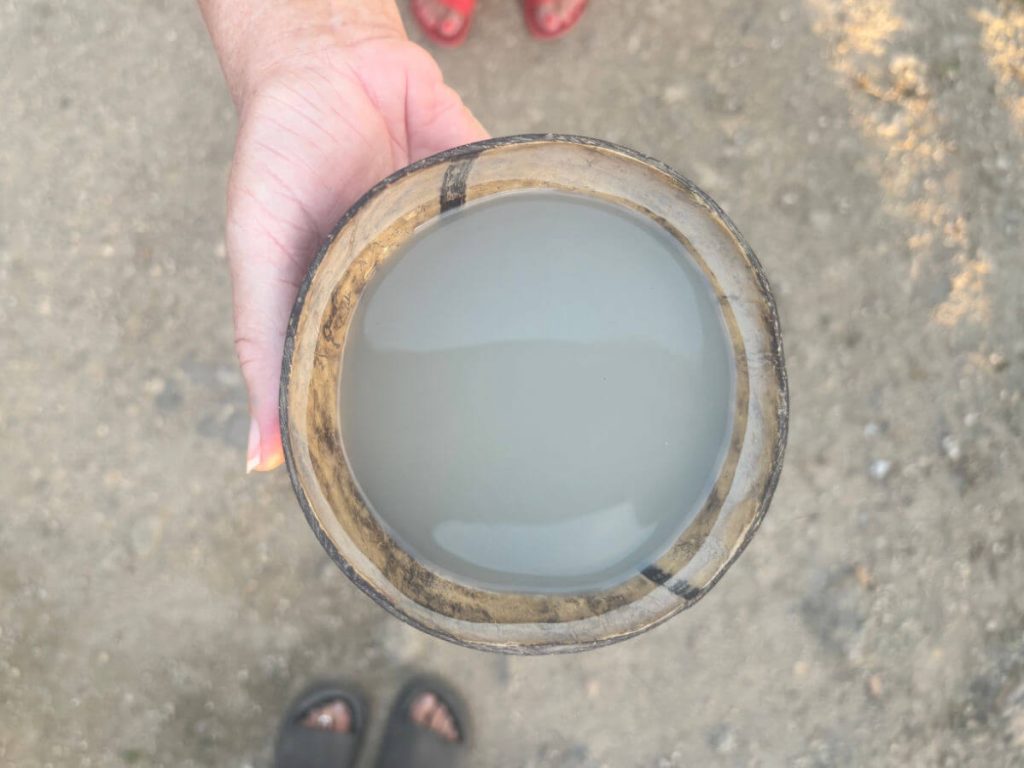
Kava has a very distinct taste that even experienced drinkers rarely enjoy. It is usually described as bitter, earthy, and slightly peppery, often compared to muddy water. Because of this, it is typically consumed quickly in one go rather than sipped. Many people step away from the main area while drinking, as it is common to spit out the residual taste afterwards.
Afterwards, locals often use a “washmouth”—something like fruit, chips, or other snacks—to clear the bitterness from the mouth and reset the palate before the next shell.
Once finished, the bowl is returned to the bar. For cleanliness and practicality, some locals and regular expats even bring their own shells from home.
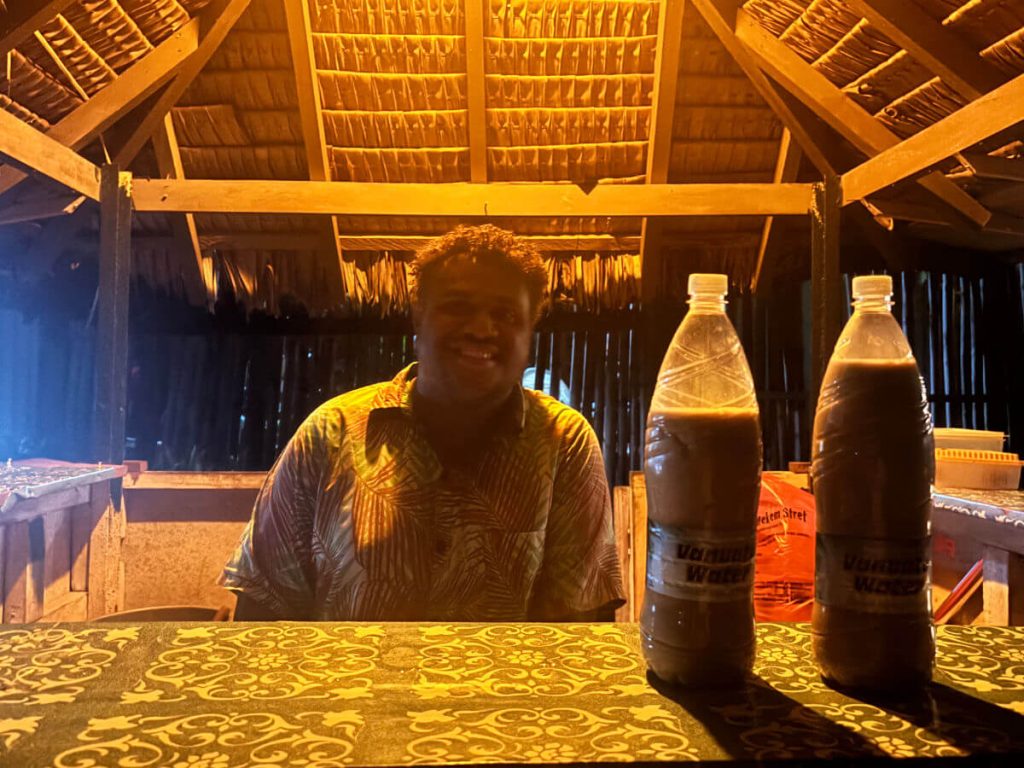
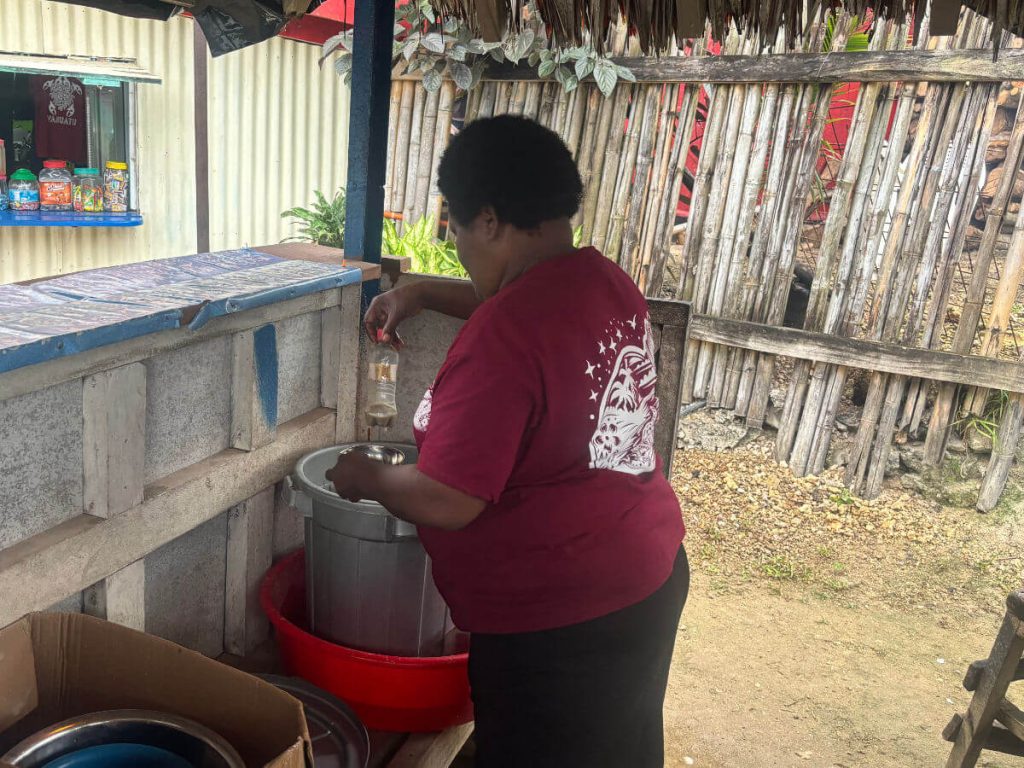
Kava is also commonly available in bottled form, typically in 500ml or 1.5-litre containers, for those who want to take it away. Many locals prefer this option as it allows them to continue drinking later without returning to the kava bar.
Who Can Drink Kava in Vanuatu?
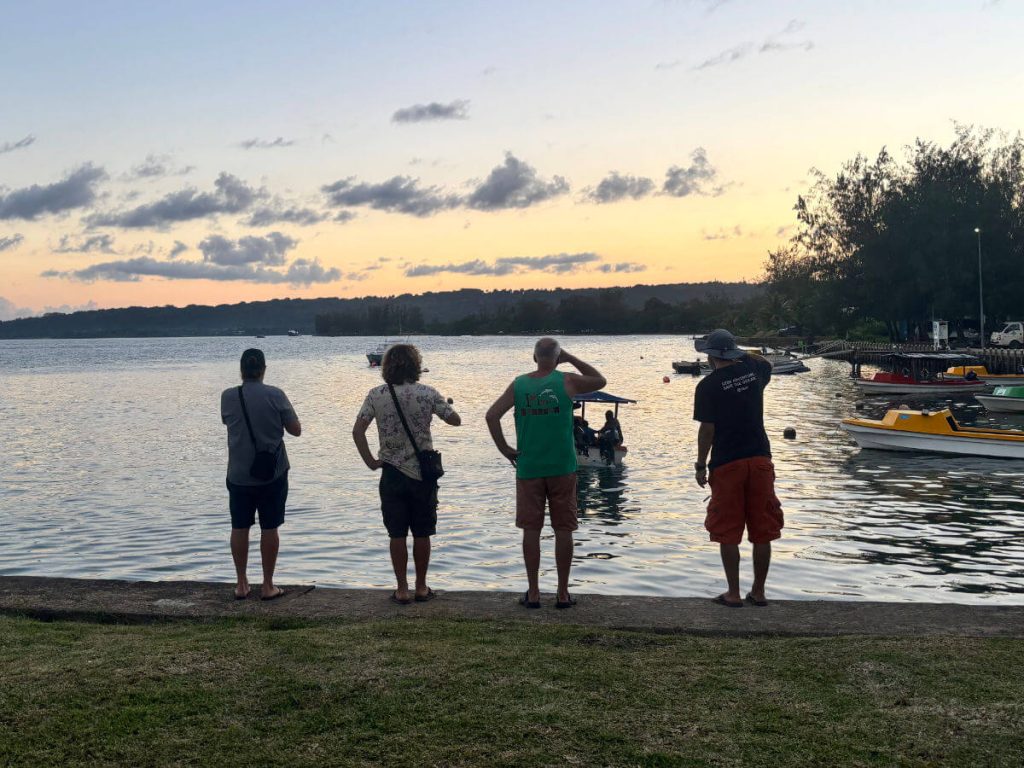
Nowadays, kava is enjoyed by people from all walks of life and is an important social drink throughout Vanuatu. However, in some rural areas and traditional communities there are still cultural customs around who can and cannot drink kava.
In certain places, women may be discouraged or not permitted from drinking it. One traditional explanation sometimes given is that the kava plant is considered female, and therefore should only be consumed by men. These customs vary significantly between islands and communities, and attitudes today are generally much more relaxed, especially towards foreign women drinking kava.
In most towns and tourist areas, it is completely normal to see both men and women drinking kava together. Many locals are also very happy to share their traditions with visitors and appreciate when outsiders enjoy kava, try local food, or even make an effort to speak a little Bislama.
Enjoying Kava Outside of Vanuatu
Kava is consumed across many Pacific Islands, including Fiji, Tonga, and Samoa, but Vanuatu has developed a particularly strong reputation for producing some of the highest quality and strongest kava in the region. This is often attributed to a combination of fertile volcanic soils, traditional cultivation methods, and generations of cultural knowledge surrounding preparation and consumption.
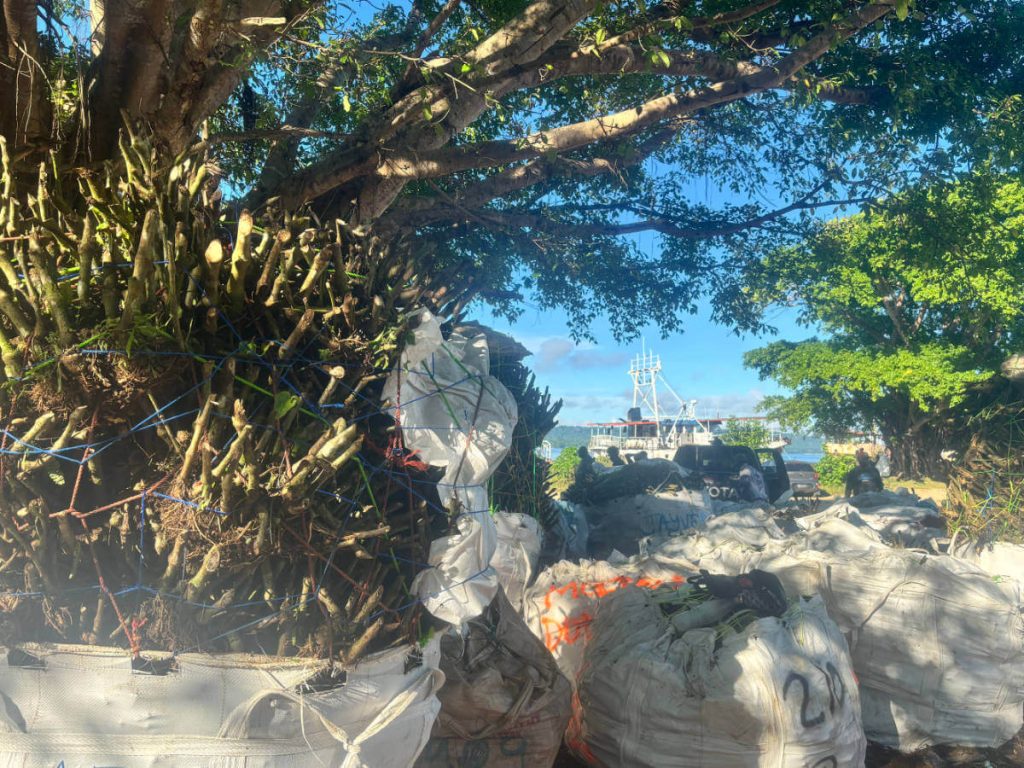
Because of this reputation, kava has become one of Vanuatu’s important exports and is now enjoyed in many countries around the world. Outside the Pacific, kava is commonly sold in powdered form, making it easier to transport, prepare, and share internationally.
While exported kava allows people to experience an important part of Pacific culture, it is often quite different from drinking freshly prepared kava in Vanuatu itself. Fresh kava is usually stronger, earthier, and more connected to the social atmosphere of the nakamal. Much of the experience comes not only from the drink itself, but from the environment, conversation, and traditions that surround it.
For travellers, bringing home kava can make for a unique souvenir and a way to share part of the Vanuatu experience with friends and family. However, it is worth checking local import regulations beforehand, as rules around kava vary between countries.
An Authentic Vanuatuan Experience
If you want to experience true Vanuatuan culture away from tourist gimmicks and staged experiences, spending an evening at a local nakamal is one of the best ways to do it. Kava is deeply woven into everyday life in Vanuatu and offers a genuine insight into the country’s slower pace, strong sense of community, and social traditions.
While the drink itself may not be for everyone, the experience surrounding it is what makes it special. Sitting quietly with locals, sharing conversation over shells of kava, and experiencing the calm atmosphere of a nakamal gives visitors a side of Vanuatu that many tourists never see.
Whether you only try one shell or find yourself returning night after night, experiencing kava culture is one of the most authentic and memorable parts of visiting Vanuatu.
Got any memories or stories from drinking kava in Vanuatu or elsewhere in the Pacific? Leave them in the comments below — we’d love to hear about your first shell, favourite nakamal, or funniest kava experience.