Choosing a reputable scuba diving operator isn’t just about finding the cheapest price, the flashiest social media page, or the most persuasive sales pitch. It goes beyond that.
It’s about entrusting your safety to a team that prioritizes diver safety, environmental responsibility, and high-quality service.
Choosing the wrong operator, on the other hand, can turn what should be an incredible underwater adventure into a stressful or even dangerous experience—sucking the fun right out of scuba diving.
Scuba diving is one of the most thrilling experiences you can have, but it’s also an activity where professionalism and strict safety standards are essential for you to truly enjoy your time underwater. By knowing what to look for in a dive operator, you can focus on the adventure, the beauty of the underwater world, and the memories you’ll carry long after you surface.
So here is what to look for:
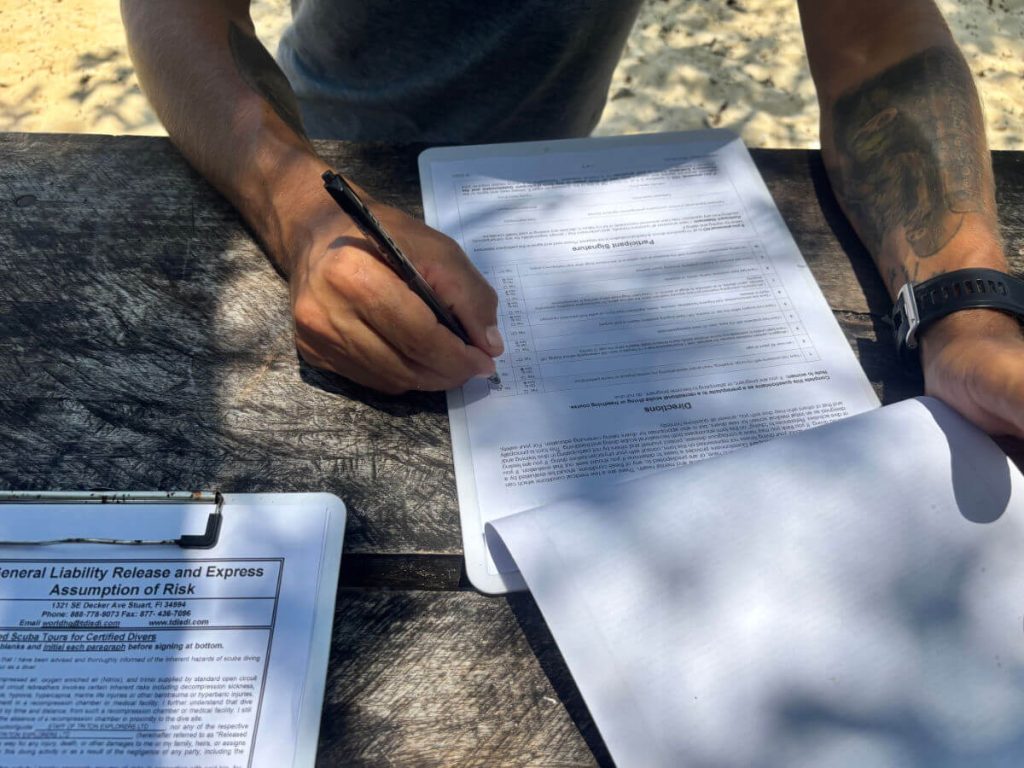
1) Proper paperwork and Professional Procedures
A reputable scuba diving operator will always require:
- A liability form
- A medical questionnaire
- Proof of certification
- Logged dive experience (when relevant)
If an operator skips these steps, it’s a red flag. Paperwork isn’t about bureaucracy – it’s about risk management. Even though most diving agencies do not require a medical screening for fun dives only for courses, a reputable operator will have you fill out one anyway to manage any obvious medical risks, and prevent serious incidents.
Liability forms ensure divers understand the risks they are signing up for, Medical questionnaires help prevent serious health concerns amplifying underwater and Certification checks ensure divers are qualified for the planned dive. Professional dive centers treat these procedures as non negotiable.
If this procedures are not done. Walk away! The ocean will be there tomorrow. Your safety should be too.
2) Clear safety Briefings
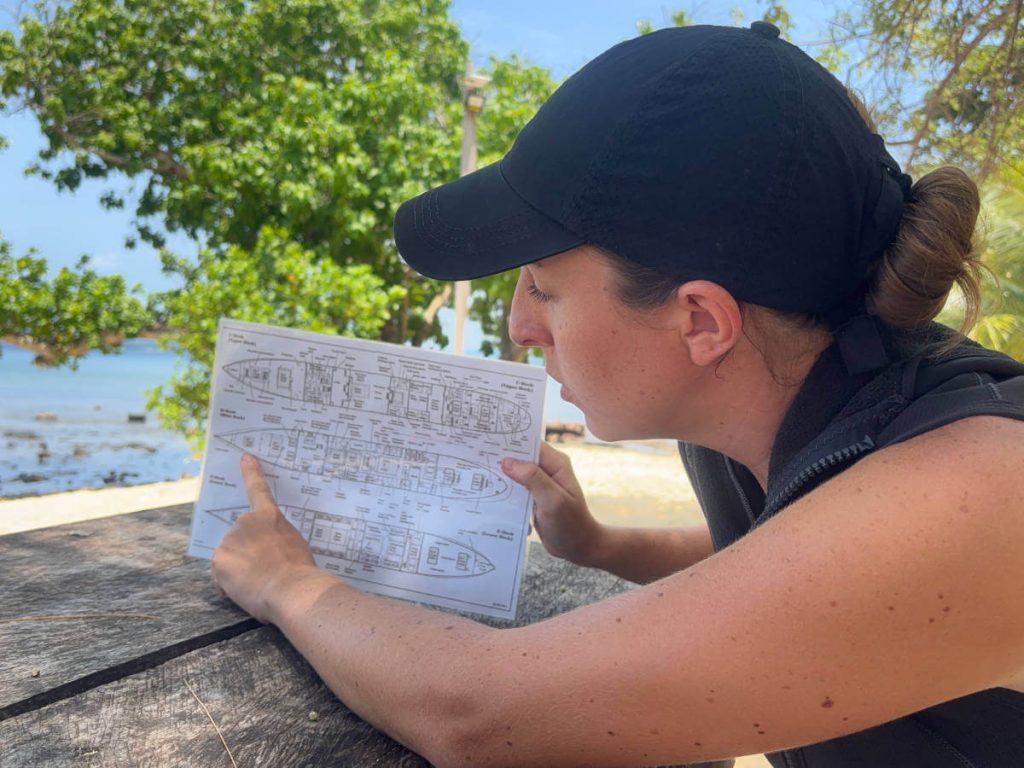
Before every dive, there should be a proper briefing covering:
- Site description and maximum depth
- Entry and exit procedures
- Expected environmental conditions (current, waves, hazards)
- Emergency procedures (separation, lost diver procedures)
- Buddy assignment
- Turn pressure and dive limits
- Environmental Responsibility
A rushed or unclear briefing suggests poor preparation. A good briefing is structured, calm and allows time for questions.
Lack of, or improper briefing techniques can not only lead to unexpected danger on a dive but also add to pre-dive stress.
You should know what the plan is before entering the water.
3) Equipment Standards and Maintenance
Look at the equipment. Is it:
- Clean and organized?
- Clearly maintained?
- Free from visual damages or corrosion?
- Properly fitted to you?
A reputable scuba diving operator services and maintains their equipment regularly and follow tank inspection schedules.
Professional operators have a maintenance log for their equipment, and would not hesitate to show you if asked.
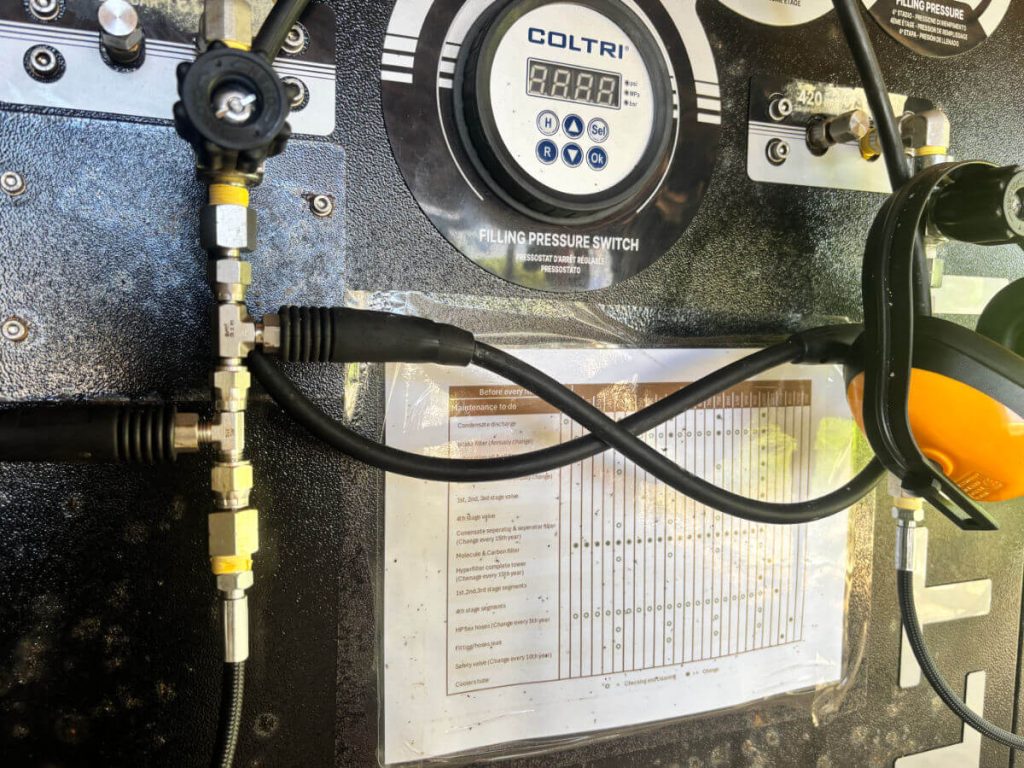
Pay particular attention to their compressor, as that fills your tank and you don’t want anything in it that shouldn’t be there. So, a log for filter changes and air tests is something that should be present.
4) Staff Qualifications and Attitude
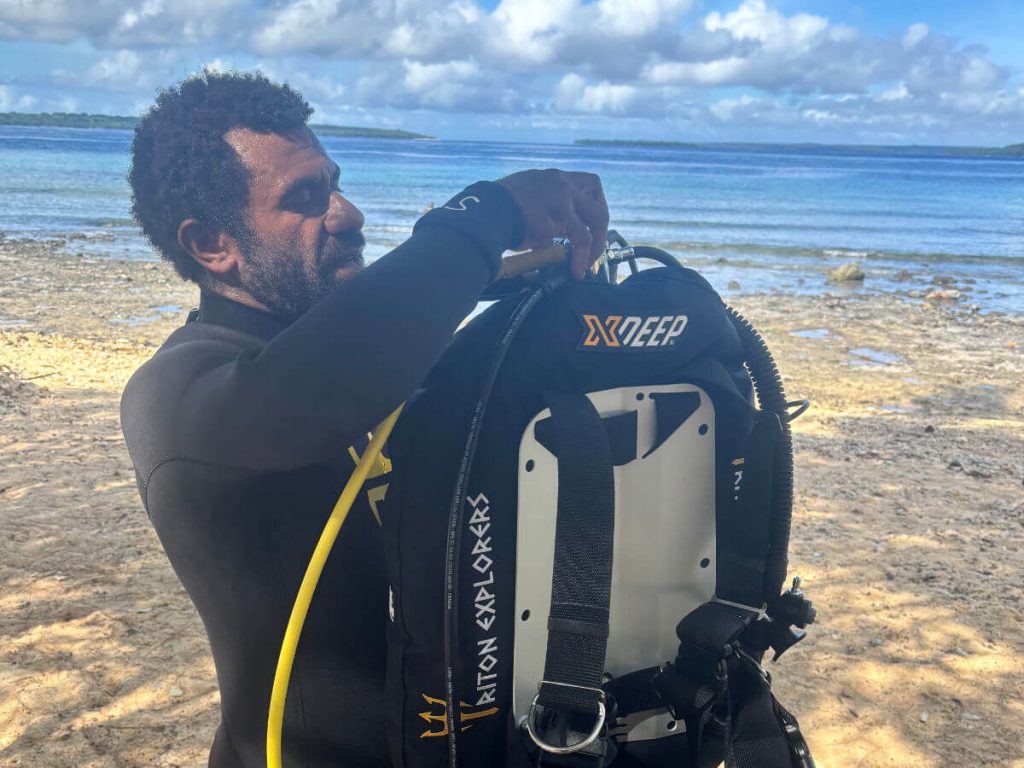
A reputable scuba diving operator invest in trained professionals and keep training up to date. Instructors and divemasters should:
- Hold current certification (be in professional status)
- Be insured
- Be calm and professional
- Enforce standards consistently (ask to see their standards, if they are lower than international best practice, watch out)
Just as a reputable operator will ask you for your qualifications, they should let you know theirs when asked.
Watch how they handle divers that exceed limits or ignore procedures. A professional diver corrects unsafe behavior politely but firmly.
If the operator cut corners “just this time,” that culture can spread quickly.
5) Conservative Dive Planning
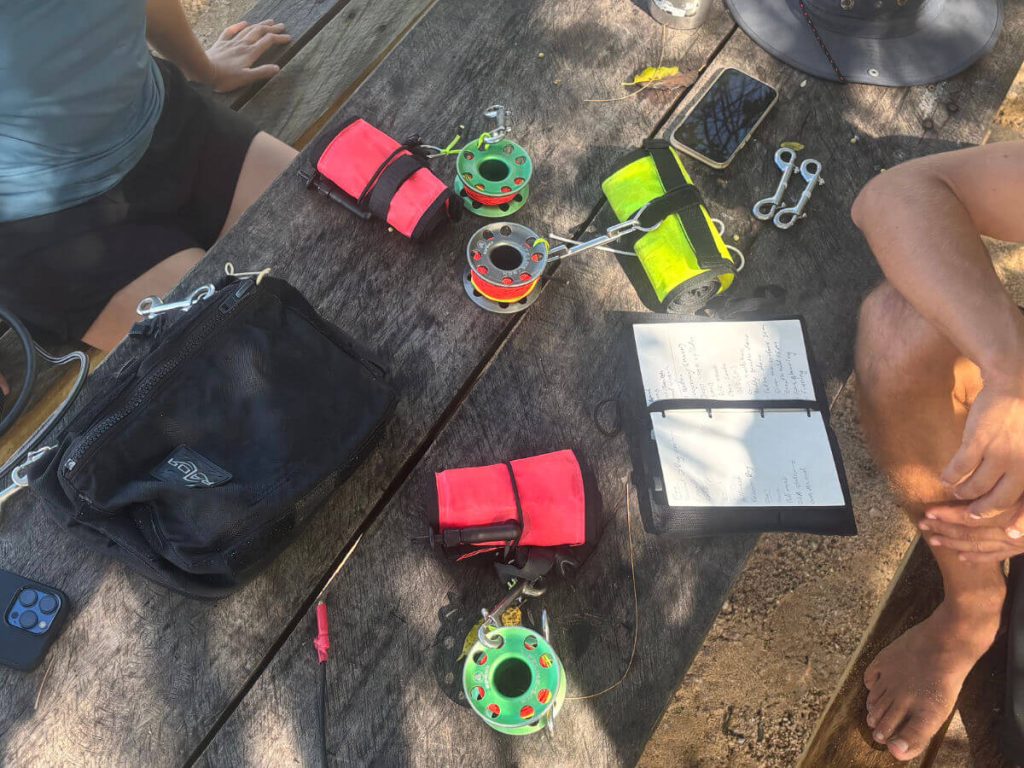
Reputable operators plan dives conservatively, especially for:
- Mixed experienced groups
- Deep wreck dives
- Strong current sites
- Overhead environment
They won’t push divers beyond training limits or comfort zones. They won’t encourage going deeper “just to see something cool.” They respect no-decompression limits and gas planning. And would offer you the required training.
A reputable operator would rather disappoint you slightly than expose you to unnecessary risks.
6) Emergency Preparedness
This is critical. A reputable scuba diving operator should have:
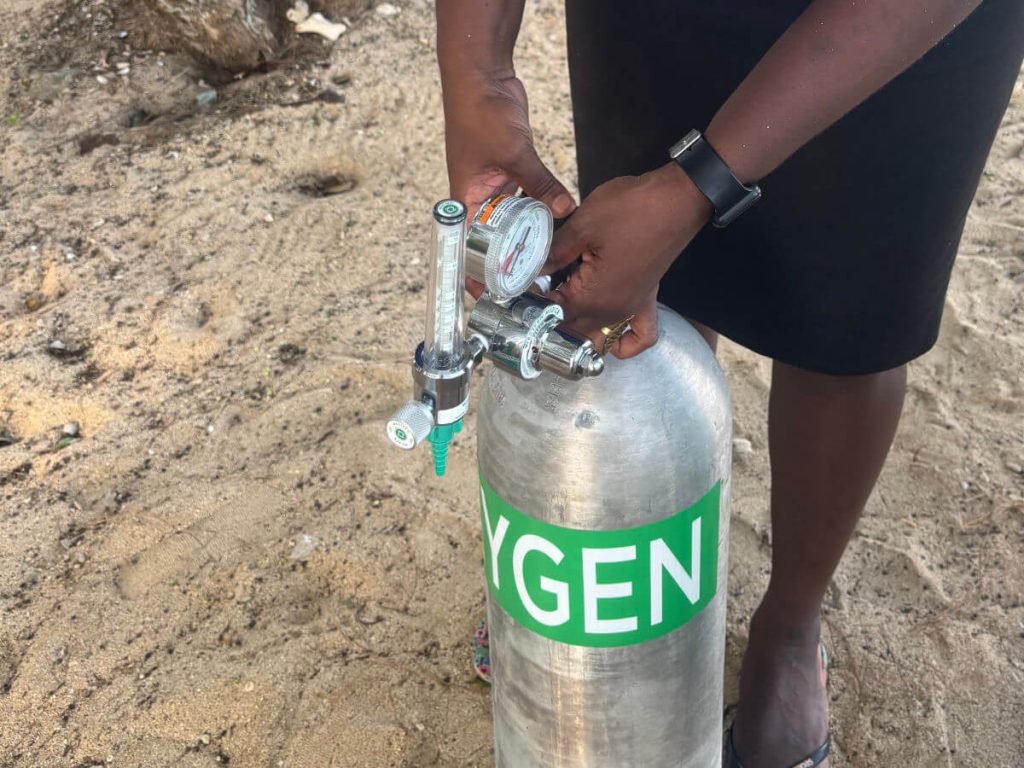
- Functional emergency oxygen on site or on boat (that is checked on a regular basis. Ask to see their log)
- A clear emergency action plan
- Staff trained in first aid and oxygen administration
- Reliable communication equipment
- Knowledge of nearest recompression chamber and Know the procedures for how to activate the chamber
If you cannot locate the emergency oxygen and first aid equipment your self, ask. A reputable operator should immediately and confidently, be able to point it out for you.
If staff seem unsure, that’s concerning. As in case of an accident, time is valuable.
7) Environmental Responsibility
Reputable operators protect the sites they depend on. Look for:
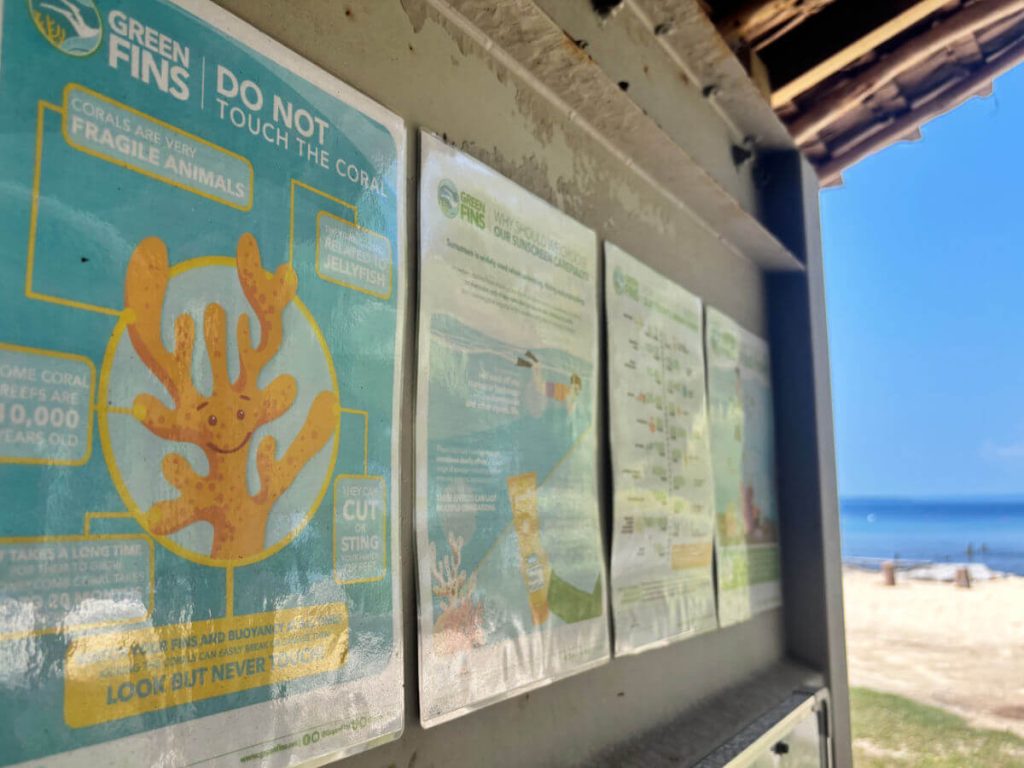
- No-touch, no-collect policies
- Proper mooring use
- Buoyancy standards enforced
- Responsible wildlife interaction guidelines
If an operator is not diving responsibly or not adopting an environmental approach, such as constantly touch or harassing marine life, conduct fish feeding or not insisting on neutral buoyancy. They would not be carful elsewhere either.
Organizations like Greenfins are a good place to look for reputable dive shops if you are unsure.
8) Transparent Pricing and Policies
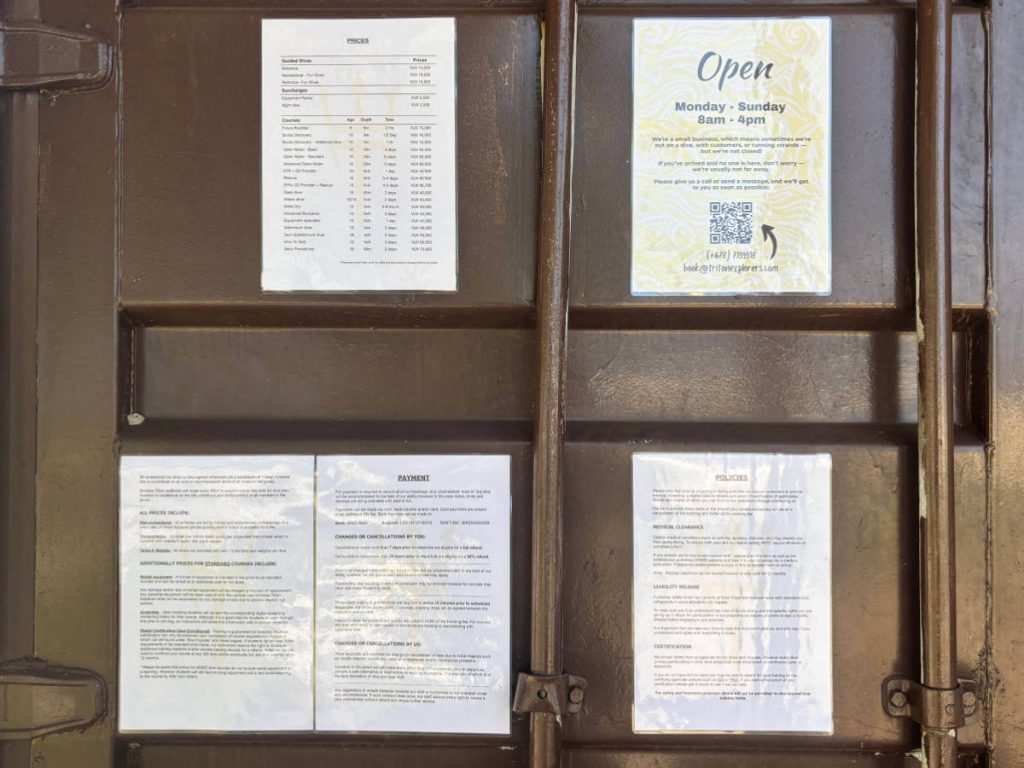
Reputable scuba diving operators are clear about:
- What’s included in the price
- Cancellation policies
- Depth limits
- Required certification level and experience levels
If details are not clear or change unexpectedly, is not a good sign. You should know what price you pay, or it can fast be more expensive than you thought. Or Required certifications is not clearly communicated you may end up be disappointed.
9) Reputation Beyond Reviews
Online reviews such as Google and Tripadvisor can help, but look deeper. Ask this:
- How long have you operated?
- How long have you been in the industry?
- Do other professionals respect them?
- Do they work constructively with local authorities and industry bodies?
- Are incidents handled transparently?
Reputable operators take responsibility when things go wrong and use incidents to improve procedures, not hide them.

10) Your Instinct Matters
If you feel you’re not getting the information you ask for or if something feels rushed, carless or disorganized. Pay attention to that instinct.
Diving should feel controlled and structured, not chaotic.
Professionalism is often visible in the small details. How equipment is laid out, how staff communicate, how divers are supervised in the water.
If something feels off, it likely is. Trust your instinct.

Final Thoughts
Scuba diving is an inherently risky sport, and risk mitigation is the best way to minimize something going wrong.
A reputable scuba diving operator recognizes this, acts accordingly and works hard to maintain a high level of safety and professionalism. But not all do!
As a customer you have both the right and responsibility to choose wisely. Ask questions. Observe procedures.
Don’t ignore red flags or be afraid to walk away if something doesn’t meet basic safety expectation.
There are likely another operator in the area that takes your own and their own safety seriously.