
The SS President Coolidge had seven cargo holds originally designed to carry passenger luggage, mail, freight and provisions during her time as a luxury ocean liner. After being converted into a World War II troop transport, these spaces were repurposed to carry the equipment needed to support Allied forces in the Pacific.
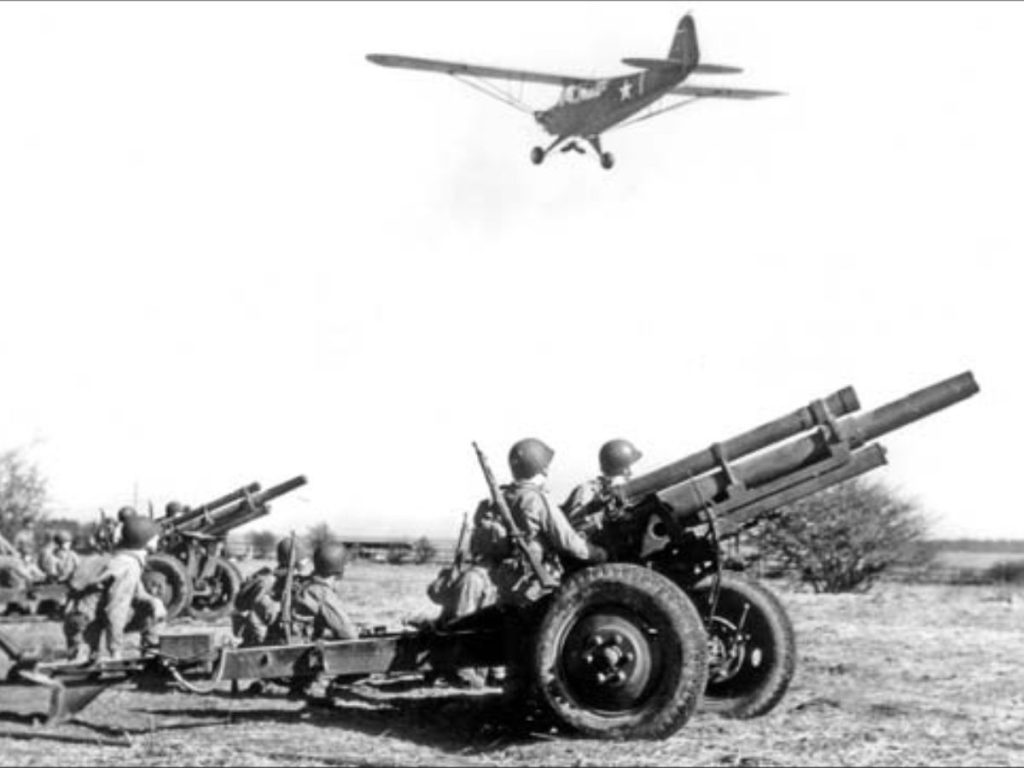
Cargo Hold 2 became one of the ship’s main storage areas for military supplies, including vehicles, machinery, ammunition and artillery. After the sinking, large openings were cut into the starboard side of the hold during salvage operations, allowing American forces to recover selected equipment.
Today, these salvage cuts have transformed Cargo Hold 2 into one of the most accessible areas of the wreck. The open layout, natural light and multiple entry and exit points make it an ideal introduction to wreck diving and a favourite route for divers wanting to experience the enormous scale of the SS President Coolidge.
For the full story of the SS President Coolidge, from luxury ocean liner to World War II troop transport, read our complete history of the SS President Coolidge.
Every dive through Cargo Hold 2 is planned according to diver experience, certification, gas supply and the conditions on the day. As one of the largest open spaces inside the SS President Coolidge, this route offers a unique opportunity to explore multiple decks of the wreck while maintaining plenty of space and natural orientation.
The dive begins with a descent down the bow mooring line before swimming along the starboard side of the wreck. Entry to the Coolidge is normally made through the large cargo hatch on Deck A, although the starboard salvage cuts can also provide access, particularly when conditions or current make this the safer option.
Upon entering Cargo Hold 2, divers are immediately rewarded with one of the most impressive views on the Coolidge — multiple decks visible at once, stretching down into the ship and giving a true sense of the wreck’s enormous scale.
The first deck divers swim across after entering Cargo Hold 2 is Deck B. On the lower port side are the former service areas of the ship, including the American galley, Chinese galley, print shop and firemen’s mess.
At approximately 30–35 metres, these areas are deeper than we typically explore on a recreational dive. While divers can still observe remnants such as plates, jugs and cutlery from above, we generally remain higher in the cargo hatch to conserve air supply and maximise no-decompression time.
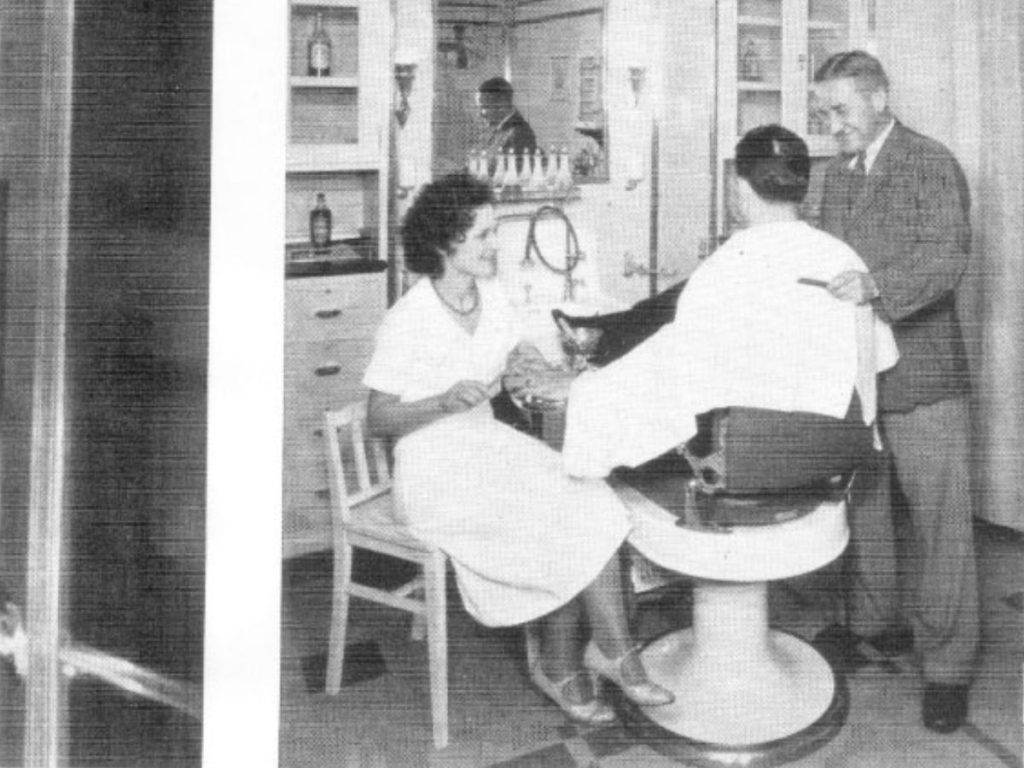
Above these service areas was the crew’s barber shop, where the famous barber’s chair was once located. Although the chair has since fallen from its original position during an earthquake, this area remains a fascinating reminder of daily life aboard the Coolidge.
Above the barber shop are the remains of the former doctor’s office and crew hospital. These smaller compartments are heavily silted and enclosed, so they are best viewed from the entrance, where careful observation can reveal remnants including a medical trolley, bedpan, boot and medical equipment chest.
As you continue deeper into Cargo Hold 2, you’ll pass through several of the ship’s lower decks. Since the SS President Coolidge rests on her port side, take a moment to reorient yourself: what were once floors are now the vessel’s walls (identifiable by their smooth surface), while the original walls — lined with structural beams — now form the ceiling. Ladders that once ran vertically between decks now stretch out horizontally across the wreck.
On these lower decks, divers can still spot larger wheeled field cannons and six-wheeled trucks, cargo that never made it to the front lines. Further down, at what is now the bottom of the cargo hold, an upturned tracked vehicle comes into view alongside a large gun believed to be a 155 mm cannon — possibly modified in Nouméa before being loaded aboard.
Depending on gas reserves, no-decompression limits and diver experience, the route may continue through a connecting passage into Cargo Hold 1 before exiting the wreck.
Alternatively, divers can return through the Cargo Hold 2 deck hatch or starboard salvage cuts.
With remaining gas and time, the dive can finish by exploring the exterior of the starboard side of the wreck, where divers can often find marine life before ascending either the bow mooring line or the sandy slope towards the coral gardens for the safety stop.
If you’d like to dive this site with Triton Explorers, get in touch with your preferred dates and the dives you’d like to do. If you don’t yet have the certification required for a particular dive, let us know — we can advise you on your options and, where possible, arrange the training you need.
Once we’ve confirmed your dives and availability, we’ll send you a digital check-in to complete before your arrival. A 50% deposit secures your dive slots, with the remaining balance payable before or on your arrival.
Then, all that’s left to do is turn up, gear up and go diving.


