Wetsuits are a fairly popular choice for most water sports enthusiasts so the chances are you have probably used one before. But when it comes to taking the plunge and buying one ourselves, how do we get it right?
Well a good wetsuit is one that keeps the wearer warm, plus protected from scrapes and stings, whilst also being comfortable.
To do this designers have created wetsuits in various different styles, thicknesses and sizes with additional special stitches, seals and linings so there is something to suit every shape and need. Now all you need to do is read on to find out your perfect fit.
Wetsuit Style
Wetsuits come in various different styles depending on the type of diving your doing. Before you think about anything else consider which best suits your needs.
Scuba vs surf wetsuits for example look the same on the surface but are quite different when it comes down to it.
Shortie Wetsuit
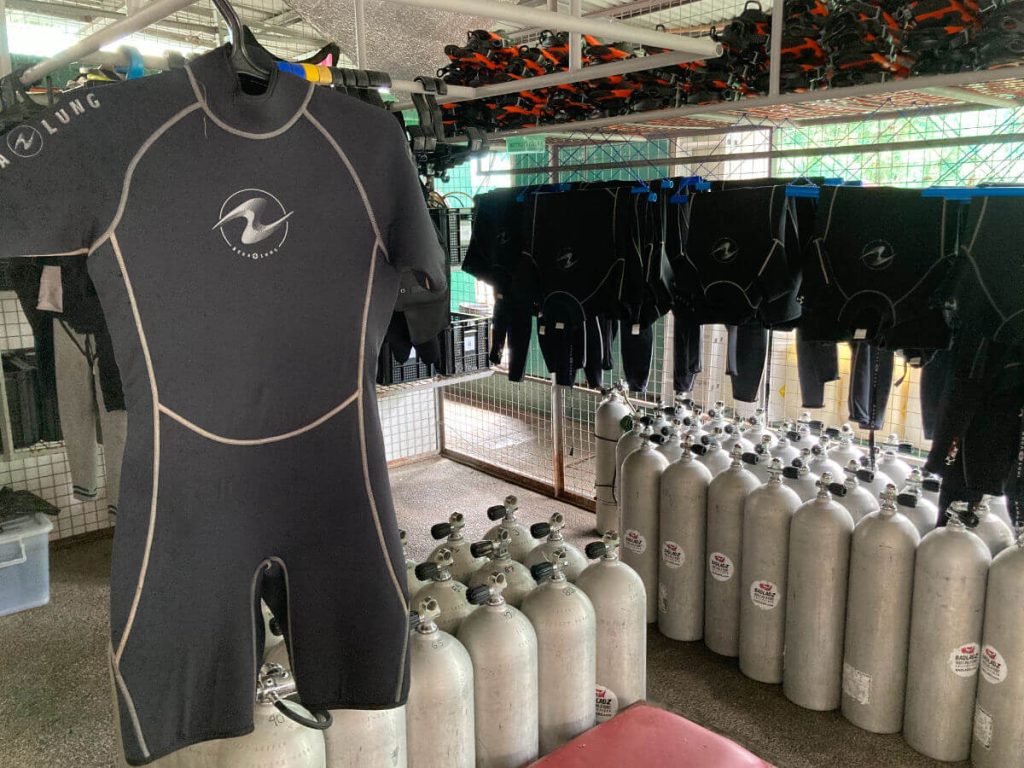
The shortie wetsuit (also known as a spring suit) is a full-body piece that cuts off just above the elbows and knees.
As they are designed for warm water you will only really find them in thinner neoprenes. Providing some insulation and abrasion protection as well as being easier to get into make them a popular choice for recreational divers in tropical climates and as rental suits in dive schools.
Full Wetsuit
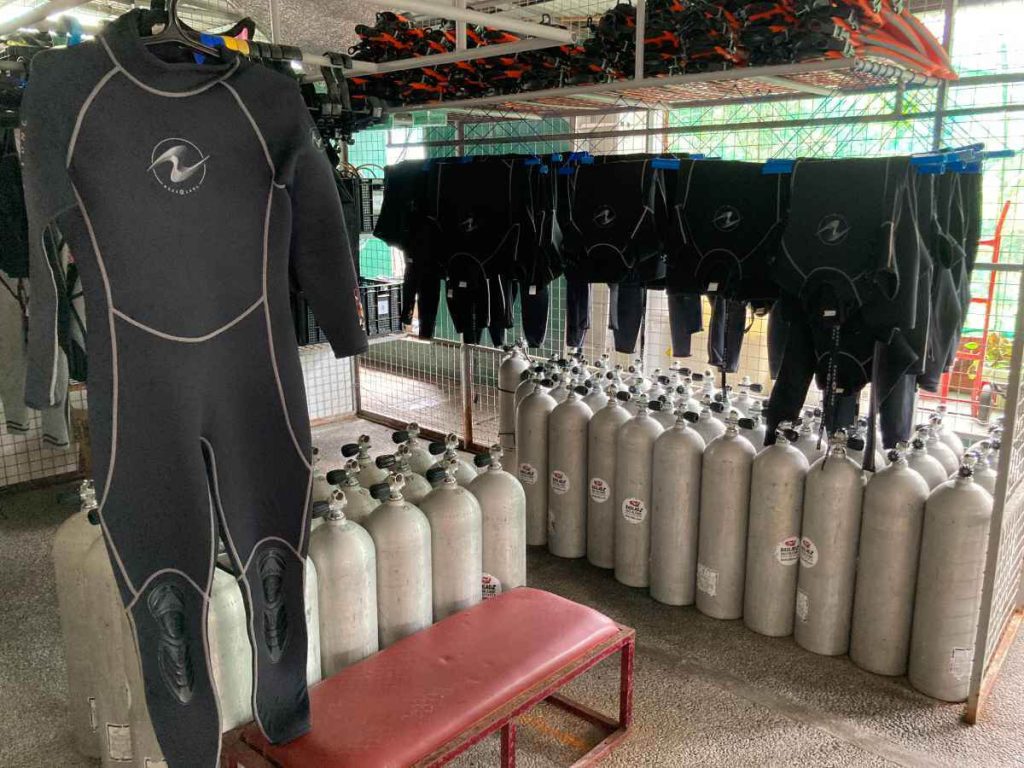
The most common wetsuit style is a full-body all-in-one. They provide pretty much full coverage from ankle to wrist.
A zip down the back or across the shoulders as well as on the wrists and ankles can help you get into them.
Farmer John/Jane Wetsuit
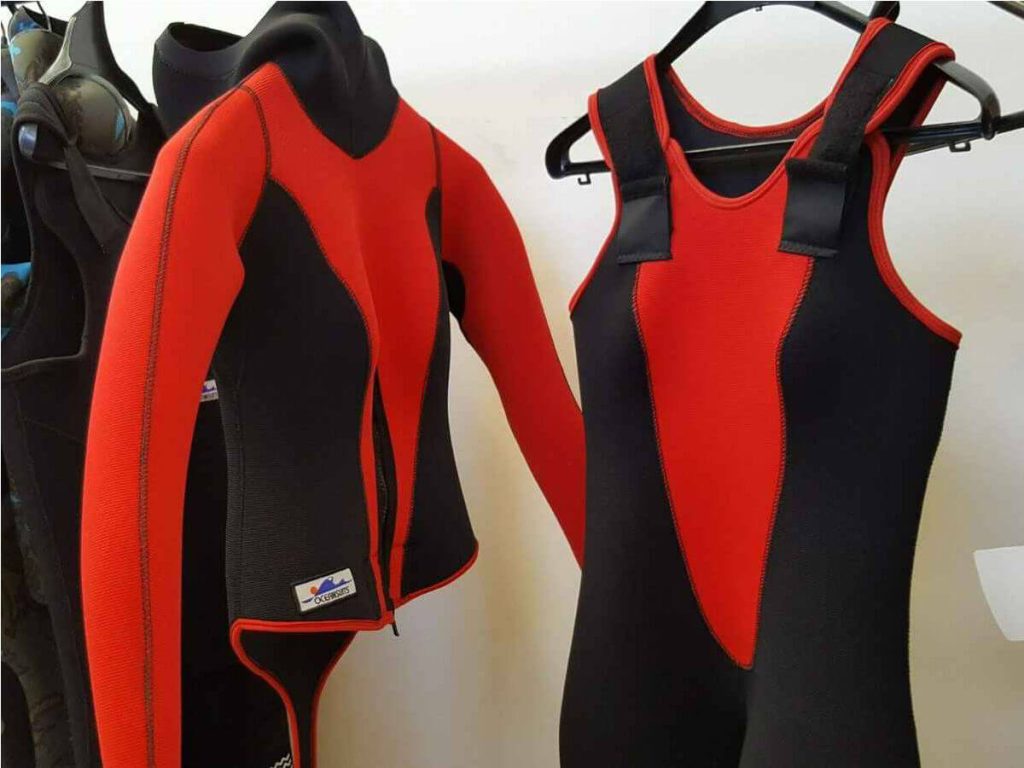
Slightly less common is the farmer John/Jane style of wetsuit. These comprise of two pieces. One piece being ankle length legs usually connected to a sleeveless vest . The second piece being a long sleeve jacket that sometimes fastens under the legs like a bodysuit.
This layered approach provides greater flexibility around the joints, double core insulation, the option to adapt to the water temperature by adding or removing piece and is easier to get into. The disadvantage being that these wetsuits tend to be colder due to the various different breaks and layers where water can flush in. Particularly around the front jacket zip which, for comfort reasons, often does not extend up to the neck, scooping up water as you swim. Additionally the double core insulation adds to your buoyancy and does not extend to your limbs.
Wetsuit Accessories
Some wetsuits will also come with additional features like integrated hoods and/or thigh pockets. When needed these can be very useful but do tend to get in the way when not. As the pockets also hold a lot of weight it is also common to get rips and tears around this area.
Thus why many divers opt to boost their suit by adding their own accessories. Hooded vests and pocket shorts being the most popular. The big plus being these can even be worn without the wetsuit in warmer waters!
Wetsuit Thickness
Wetsuits are made from something called closed-cell neoprene. A synthetic rubber which is both flexible and insulating thanks to nitrogen bubbles formed within the fabric.
The thicker the neoprene, the more insulating but more buoyant it will be. The thinner the neoprene, the less insulating but more flexible it will be.
So choosing your wetsuit thickness should also be an important part in your purchase process. As a general guideline:
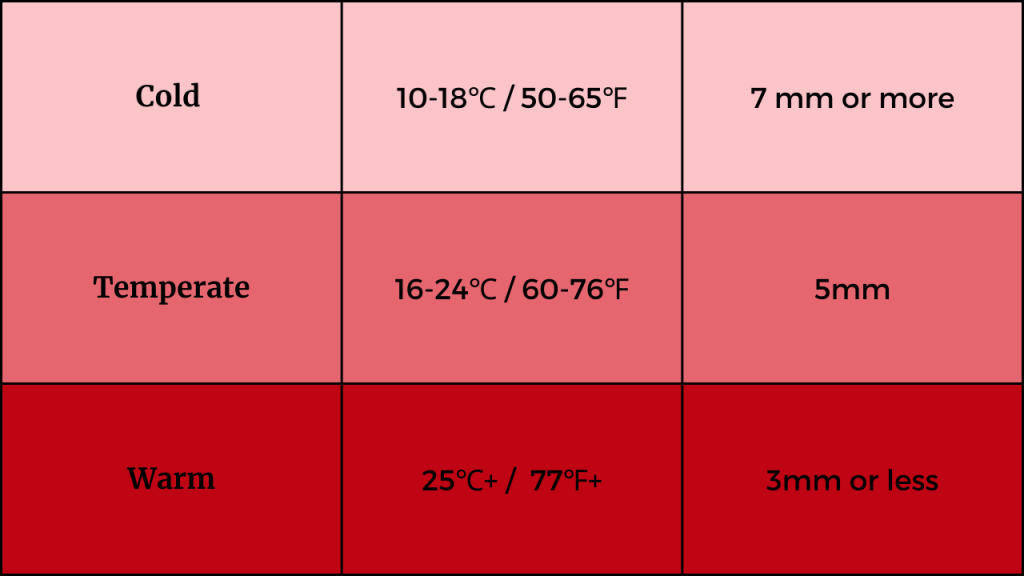
However don’t just blindly follow these recommendations. Take into account the different seasons, warm/cold water upwellings, surface conditions and most importantly, your own tolerance too cold.
Wetsuit Stitching, Seams & Lining
Wetsuits are made by stitching various panels of neoprene together. Thus creating seams. One of the second most likely places for a suit to leak after the zip.
To prevent this clever designers have come up with alternative stitching, seam seals and linings to help the wetsuit function better.
In some cases these features work so well that it only lets a little water in, which your body can warm, and keeps it there. Instead of continuously flushing in and out. These are what we call semi-drysuits and are great for cold water diving.
Stitching
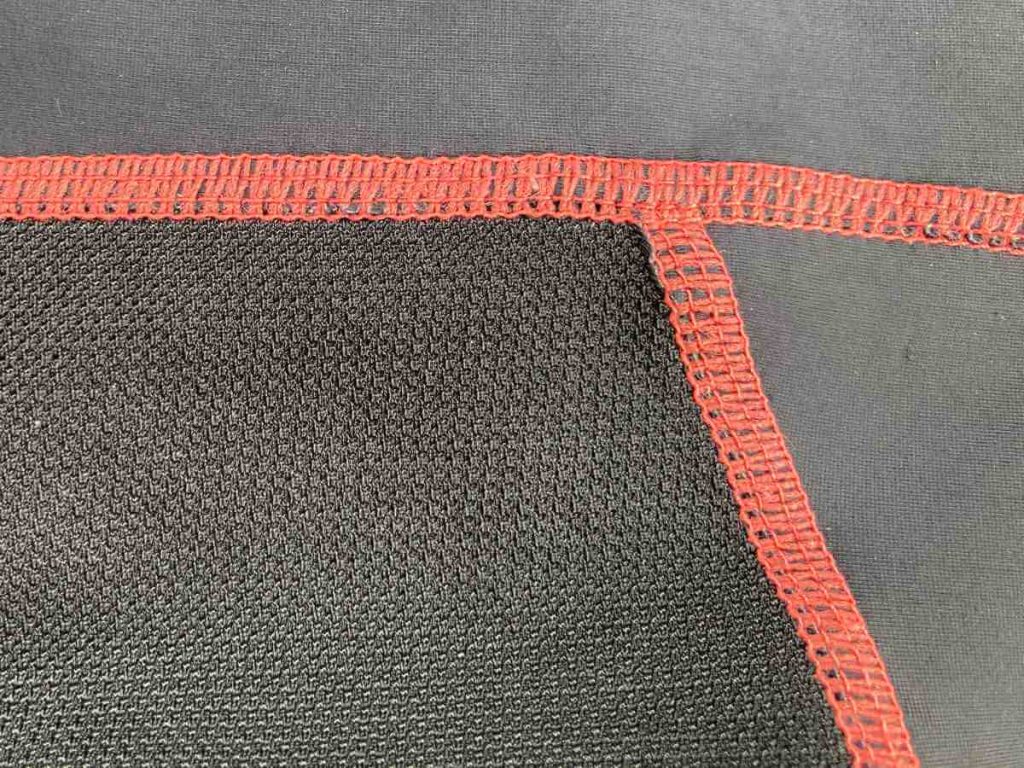
Overlock Stitching
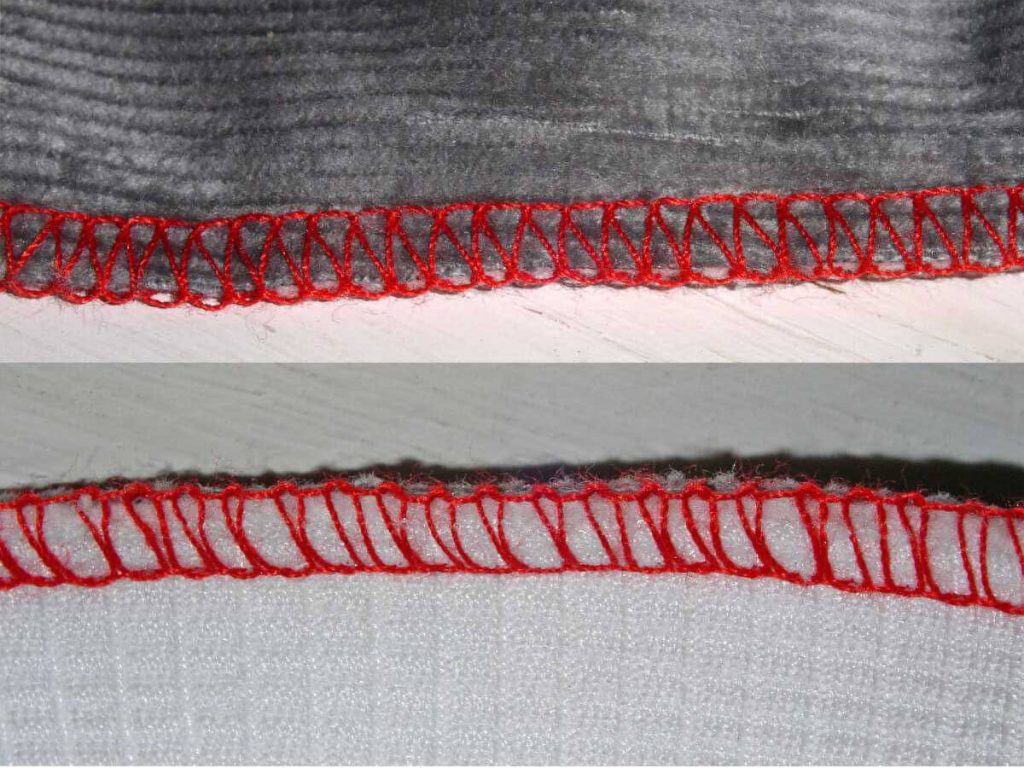
Just like on your t-shirt! The edges of the panels are rolled inwards then stitched together. The downside being a bulge which is uncomfortable and reduced flexibility.
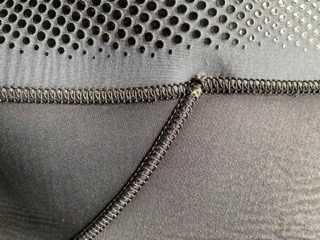
Flatlock Stitching
The seams are layered then stitched through. Thus creating a durable and flexible seam. Although punching a lot of holes in the neoprene does mean more leaks.
Blind Stitching
Also known as ‘glued blind-stitched’. Is where seams are glued end to end. Then stitched part way through the neoprene. Resulting in a strong, flexible and watertight seal.
Seams
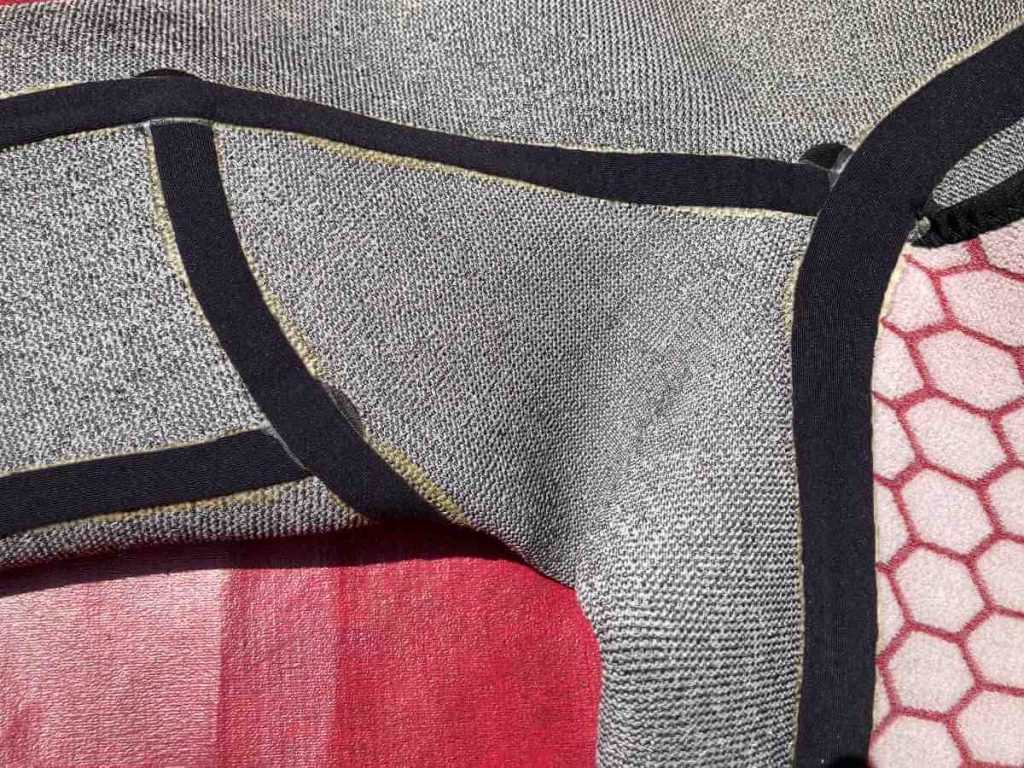
Taped Seams
Seams are strengthened with tape, either at strategic stress points or over the whole suit.
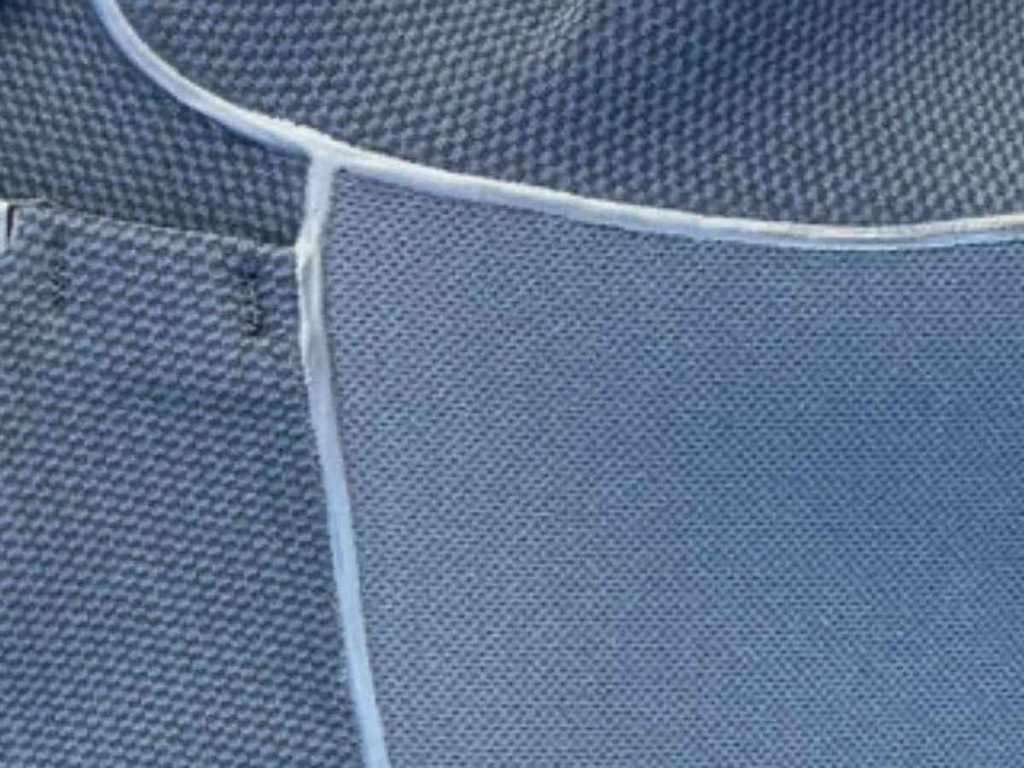
Sealed/Welded Seams
Liquid rubber is poured over the seams to make them completely watertight.
Linings
Neoprene can be fragile (and a little sticky) on its own. For that reason many wetsuits are lined both inside and out.
This not only provides greater comfort and warmth to the wearer but also helps to protect and strengthen the suit.
Nylon/Polyester Lining
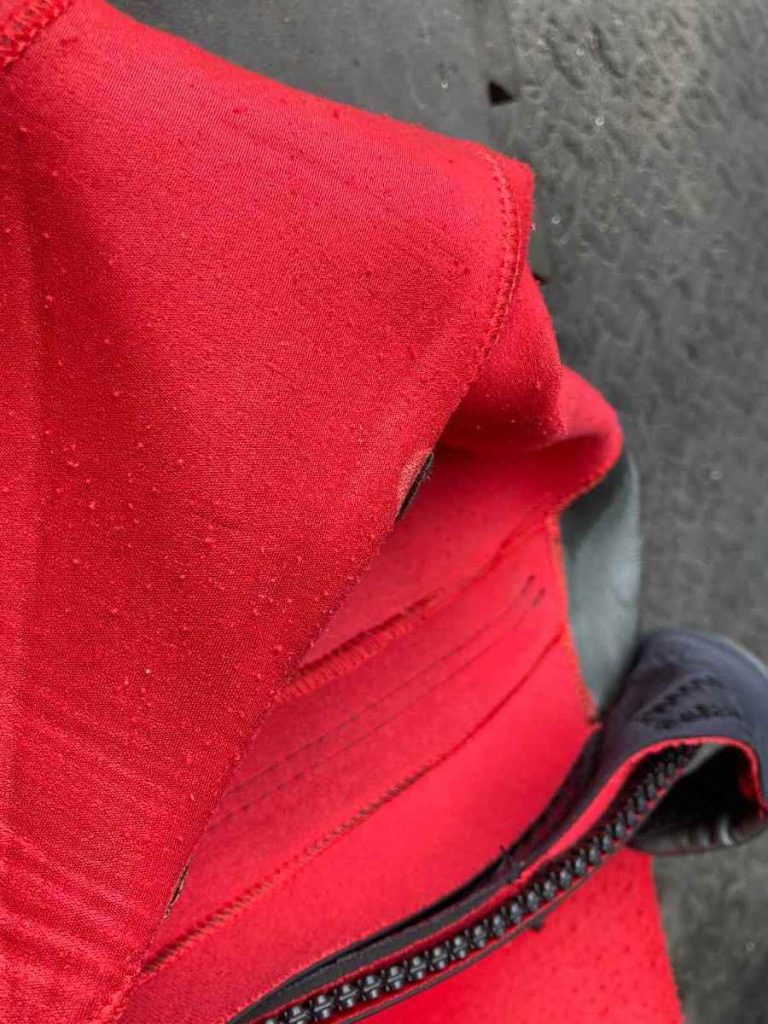
Most wetsuits are constructed using a nylon or polyester lining on both the inside and outside of the neoprene. This provides a smooth surface so it’s easier to slip into the wetsuit and also helps to protect neoprene from surface damage. However does reduce the flexibility and increases heat loss on the surface due to evaporative cooling.
Fleece/Jersey Lining
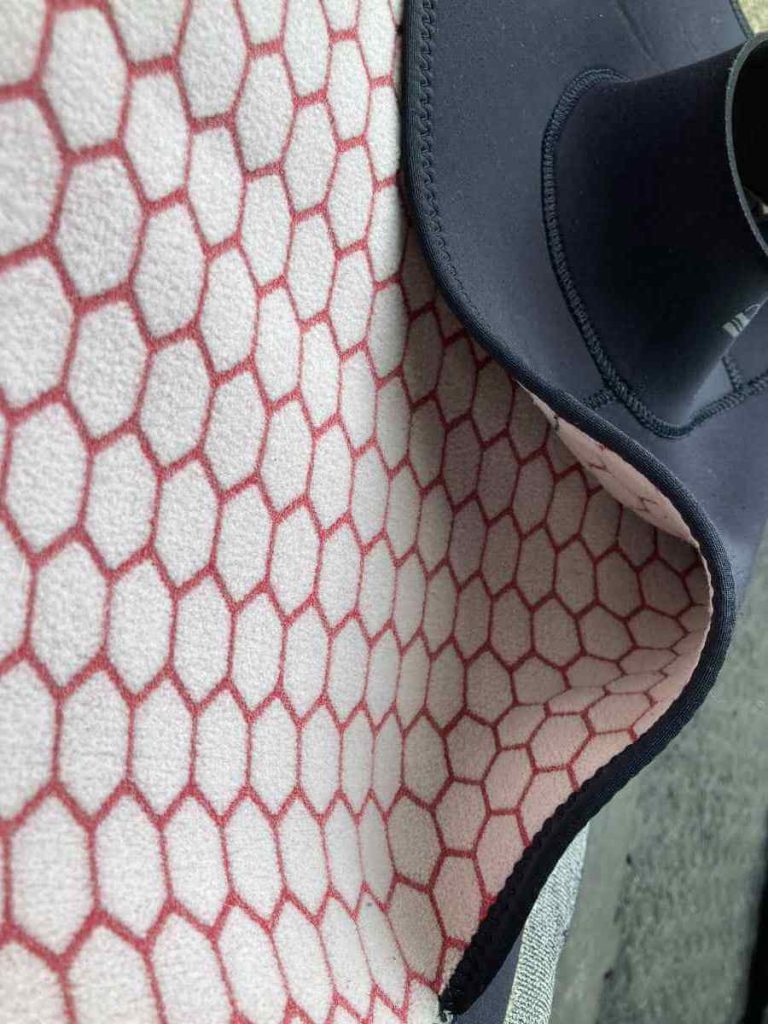
Is constructed from a soft, fluffy material that traps air and keeps the wearer warmer. In addition it also keeps water away from the skin which can help the wetsuit feel dry even if it’s not. Making it much nicer to put on when wet. Typically it will be placed on core panels like the chest and back. Good examples are Apeks Termiq, Fourth Element Hexcore, Bare OMNIRED and Scubapro Blue Diamond Span.
Titanium Lining
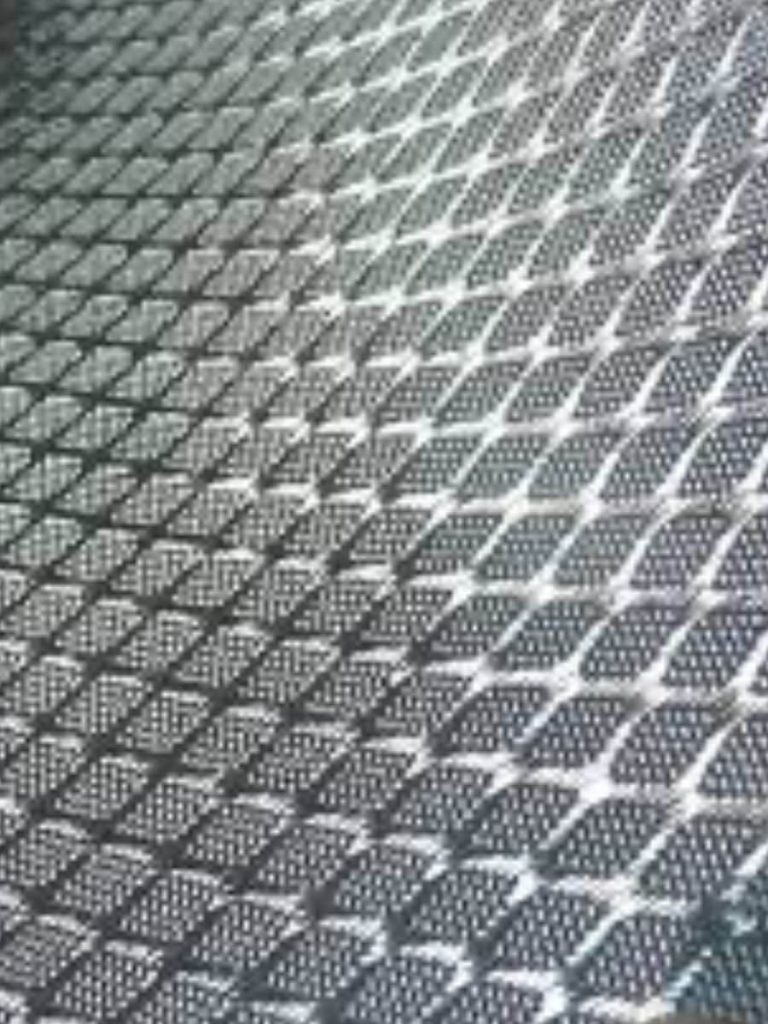
In between the outer lining and neoprene a thin layer of titanium can be added. The main benefit being that your body heat is reflected back, increasing heat retention by up to 40%. Meaning that it’s also possible to wear a thinner, more flexible suit without compromising its insulating abilities.
Unlined/Smoothskin
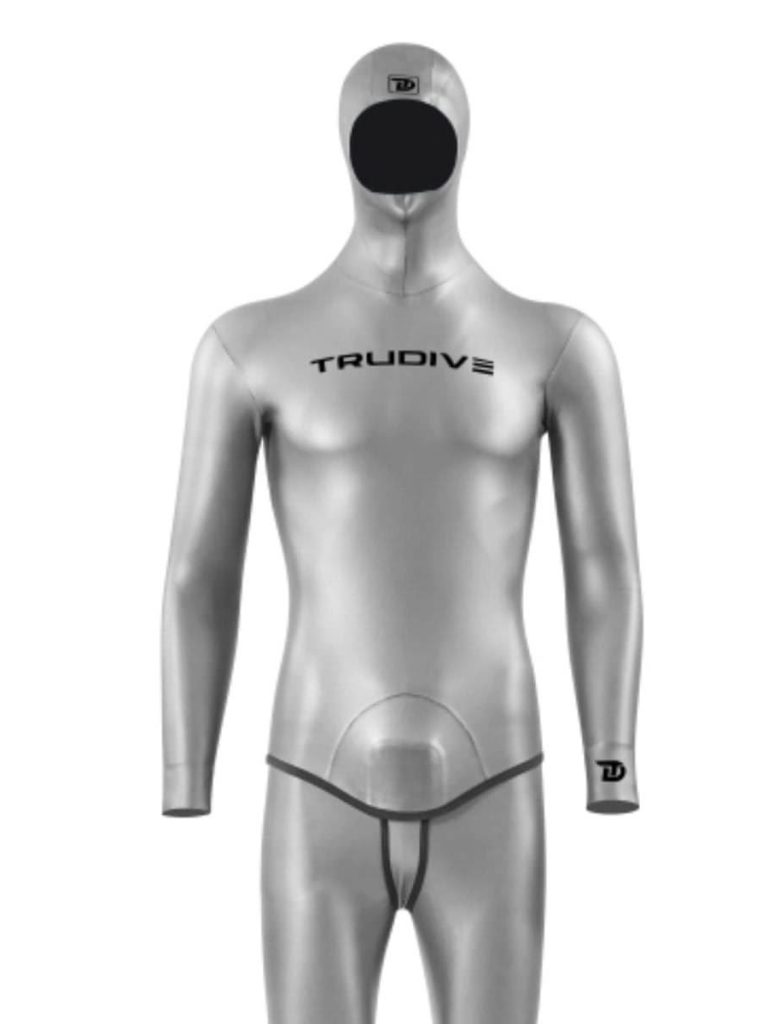
Popular with freedivers and triathletes, smoothskin, superskin or open-cell wetsuits are commonly smooth on the outside with porous cell neoprene on the inside. Thus making them incredibly stretchy and comfortable. But at the same time making them fragile.
Wetsuit Size
Wetsuits are designed to get wet. Can you believe it?! But jokes aside water is a key ingredient in our suits insulating abilities.
By creating a tight fit, wetsuits trap a thin layer of water between your skin and the neoprene. Our bodies then warm this up which keeps us comfortable.
Therefore it’s really important that we get the size right. Too tight and you won’t be able to move. Too loose and water can flow through, sapping away your warmth and self-confidence. Essentially it should feel like a second skin. No folds or airspaces allowed.
Here are our favourite tips to sizing and fitting your first wetsuit …
Get The Wetsuit Wet
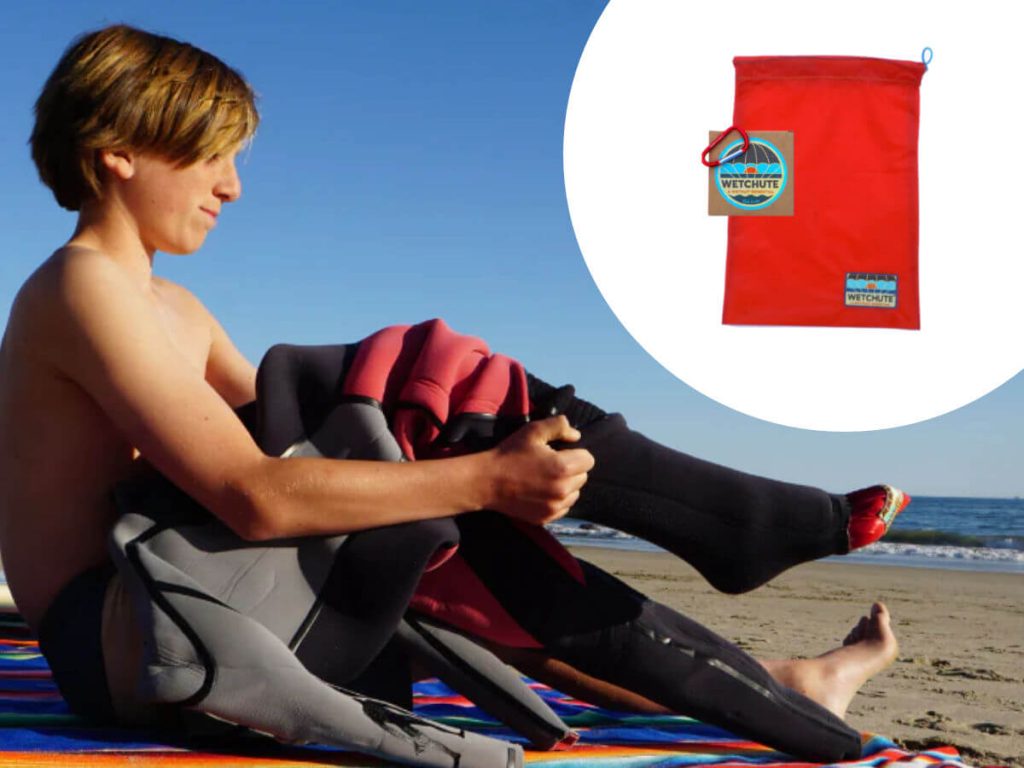
Wetsuits are stiffer when dry. To avoid getting in a sweat, wet your suit before slipping it on. Also invest in a plastic bag, or even better a wetchute to use on your hands and feet to make life easier.
Use Extra Layers
Nylon rash guards, leggings, socks or even a full slip-in suit are great at reducing friction and making it easier to get into your wetsuit. Plus they also help to keep it clean.
Get A Gendered Wetsuit Style
With men tending to have broader shoulders and narrow hips and women tending to have smaller waists with larger boobs and butts. Wetsuits are almost always made to suit a specific genders. Meaning you may find a closer fit in a suit that is specifically cut to your shape. Although not always the case!
Get It Custom Made
If all else fails and you are struggling to find the perfect fit then it may be time to consider a custom made wetsuit. This will be slightly more expensive but saves you wasting money on equipment that doesn’t work properly.
Final Words of Advice …
Wetsuits are a great option for exposure protection. They are simple, durable (as long as you don’t make these 5 wetsuit maintenance mistakes) and the most adaptable when it comes to temperature.
That being said if you still find yourself feeling cold on a dive then it may be time to consider investing in a drysuit. Don’t know what that is? Check out our guide to exposure protection for scuba diving and how to demystify the process of buying your very first drysuit.