We are constantly being told what we shouldn’t be doing when diving but what about after?
Well even after we surface our bodies are still dealing with decompression. In fact there are certain surprisingly dangerous activities which could even increase the risk of getting decompression sickness! Luckily we have summed it all up right here.
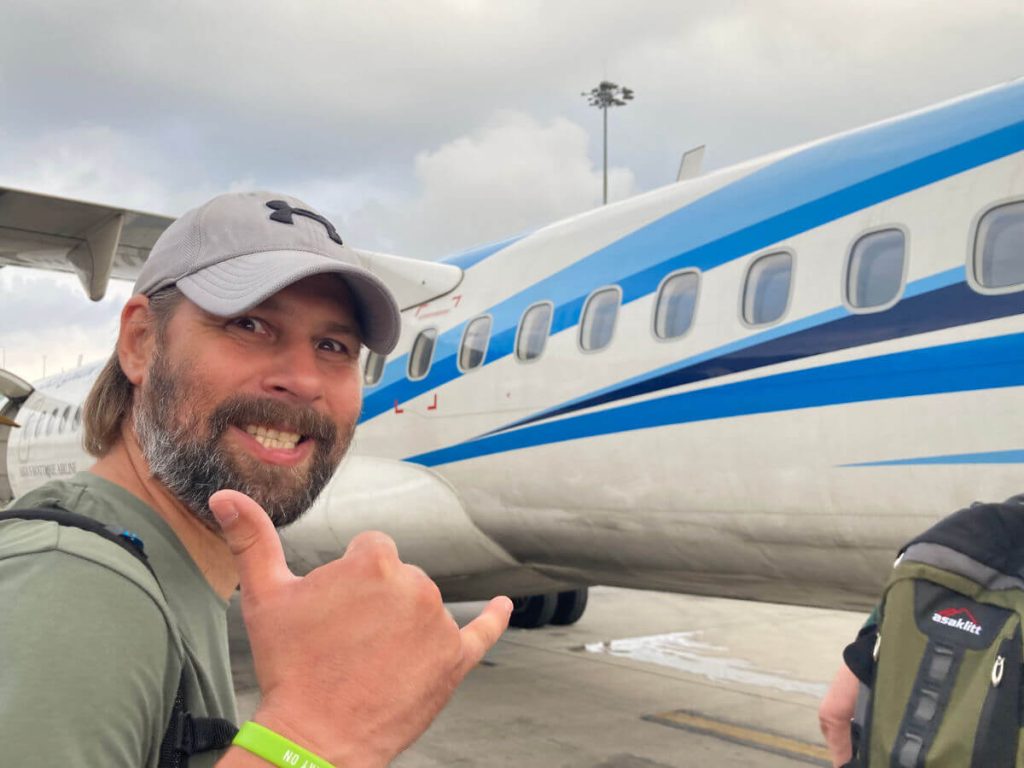
1) Flying
Hopefully you know this already but no flying straight after scuba diving!
The reduction in ambient pressure when ascending is much like a quick ascent from a dive. It has the potential to cause the nitrogen absorbed in your blood to form bubbles which get trapped in your body. For those of you who aren’t familiar this is decompression sickness.
The nitrogen in our blood will reduce over time making it safe to fly. All we have to do is wait.
DAN (Divers Alert Network) suggest for:
- A single no-decompression dive waiting a period of 12 hours
- Multiple dives per day waiting a period of 18 hours
- Dives with decompression stops there is not a clear recommendation but waiting longer than 18 hours is advised (best being 24hours)
In fact this is the case with anything occurring at high altitude. Be wary if you will be traveling in mountainous areas or anywhere that is above 300m.
2) Freediving
Although they both fall under the same category of diving, scuba and free diving affect our bodies in different ways.
What many don’t realise is that free diving straight after scuba diving is actually considered one of these dangerous activities.
If we think of it this way. Our bodies absorb nitrogen when we go scuba diving and we ascend at a safe rate so the nitrogen bubbles don’t expand so much they cause us issues. Our bodies still have this excess nitrogen well after we go diving. So if we then go free diving and ascend at the fast rate then it’s almost the same as ascending fast from a scuba dive.
The general guidelines for waiting before free diving are the same as flying. Which is easier to remember in the long run.

3) Massage
It’s not uncommon for beautiful tropical dive locations to offer massages. After all the idea is to relax on holiday.
However the next time you go diving make sure to plan your massages carefully.
Although according to DAN “massage has not been confidently associated with cases of DCS” many people believe that the increased blood flow and tissue manipulation can cause bubble formation within the body.
In my books that risk is not worth the reward. I mean what could be less relaxing than getting DCS. Give it a couple of hours after diving and you should be fine.

4) Taking a Hot Bath/Shower/Sauna
A strange one I know but increasing the temperature of our bodies also increases the risk of DCS.
Tissues hold less in solution as they warm. Meaning that warming tissues that are full of excess nitrogen off gas very fast. So fast that the blood flow isn’t yet quick enough to remove the bubbles before they become a problem.
Try to avoid any sudden changes in temperature. For example hot showers, baths and saunas etc.

5) Heavy Exercise
We all know that a fit diver is a safer diver. However, although it is important that you exercise, the timing of your exercise should be just as important.
Strenuously exercising 24 hours before a dive is unadvised. Although it is not yet conclusive, studies have shown a potential increase in DCI cases which may be closely linked to heavy muscle activity and impacts on the joints. Others suggest it may be due to dehydration and fatigue.
As for exercise right after diving the verdict is quite clear, don’t do it. Studies have clearly shown that there is an increase in the presence of micro bubbles which are indicators of DCI. The general recommendation is to also wait 24 hours.
For holiday divers this probably won’t be too much of an issue. However if you dive for a living then maybe it is worthwhile planning your workouts around your dives just to stay on the safe side.

6) Heavy Drinking
It may seem a little hypocritical to tell you to avoid drinking after diving since most dive pros enjoy a good sundowner as much as the next person.
However the main issue with consuming a lot of alcohol is the fact that it’s extremely dehydrating. Which as you should now know is a huge contributing factor to getting DCS. Not to mention that being a bit drunk makes it very difficult to recognise any symptoms.
If you want to try and mitigate this, wait a few hours and hydrate thoroughly beforehand.

So there you go, simple yet scientific. Make sure your staying safe after dives and if you have anything to add drop a comment below!